
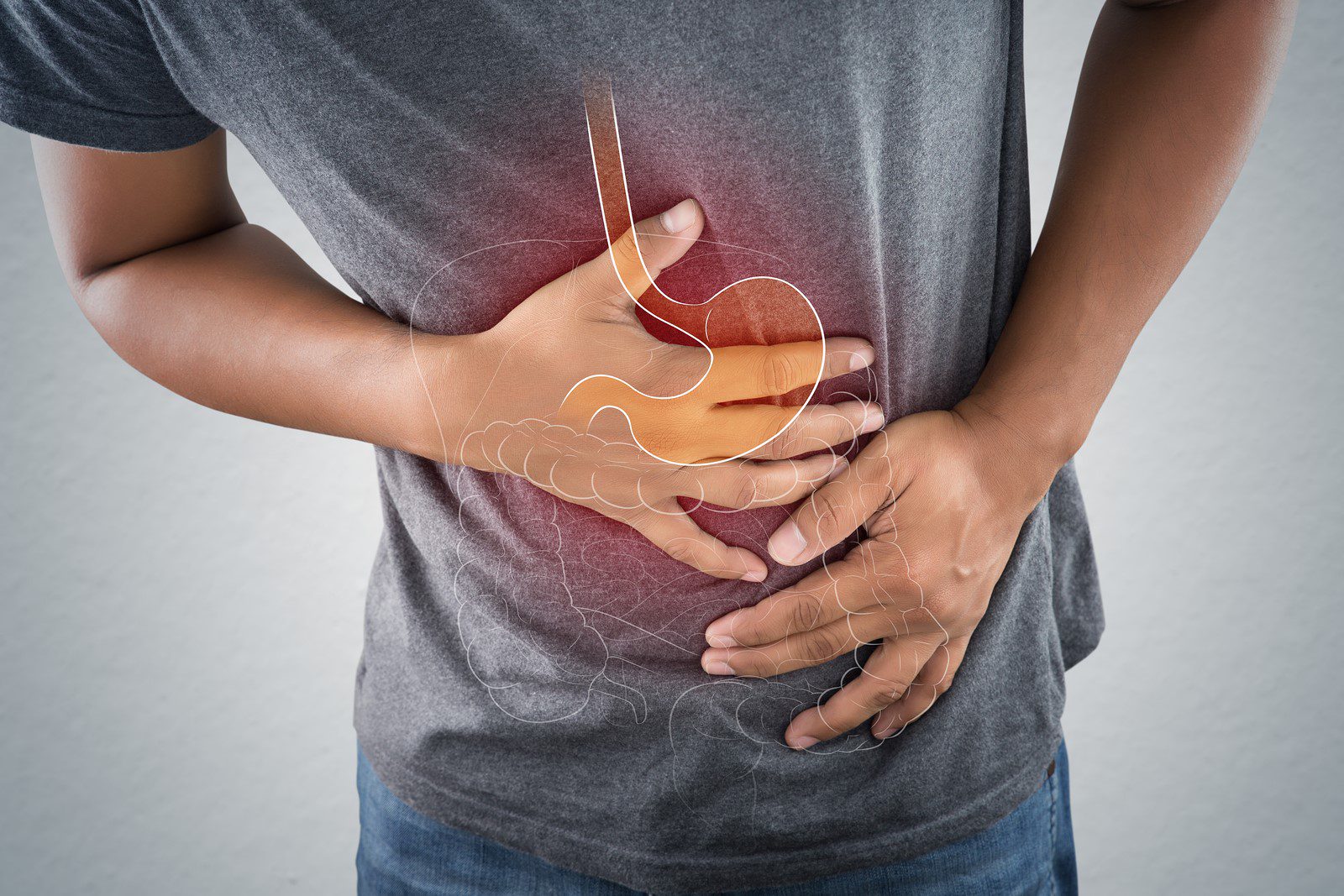
Ulcer Symptoms often begin with burning or pain in the upper abdomen. The patient may think it is temporary acidity or simple indigestion.
However, recurrent pain, or pain that returns after antacids, may mean that the stomach lining needs examination at Medicare Hospital. Therefore, it is not enough to search for “stomach ulcer symptoms” only. It is also important to understand the cause and when the condition becomes concerning.
Symptoms of stomach ulcer vary from one person to another,
Recognizing Ulcer Symptoms: Early Warning Signs
Dull, burning pain
The most common sign of a stomach ulcer is dull, burning pain in the stomach area. This pain typically appears between meals when your stomach is empty. It may last only a few moments, or it could last for hours.
2. Indigestion or heartburn
Ulcers can increase the feeling of indigestion or heartburn, a burning feeling near your heart or upper stomach that happens when stomach acid flows up into your esophagus. If you notice increased instances of indigestion or heartburn, a stomach ulcer could be to blame.
3. Nausea or vomiting

Stomach ulcers can make you feel sick to your stomach, especially early in the morning after going for a long time without food. Ulcers trigger an inflammatory response in the stomach, which can cause stomach contractions. If they get strong enough, you may experience vomiting.
4. Change in stool color
If you notice your stool looks black, which is the color of digested blood, this could be a sign of a bleeding ulcer. Bleeding ulcers are a serious medical condition and require urgent attention.
5. Unexplained weight loss
Sometimes stomach ulcers create a block in the digestive system due to the inflammation they cause. This can prevent food from moving through your stomach, leading to weight loss and a decrease in appetite.
The Causes of Stomach Ulceration
Common Causes of Stomach Ulcers
Stomach ulcers, or peptic ulcers, are a condition often rooted in various underlying causes. Understanding these causes is integral in both prevention and treatment efforts.
Helicobacter pylori Infection
One of the primary culprits behind stomach ulceration is the Helicobacter pylori bacterium. This microorganism colonizes the stomach lining, compromising its protective barrier and facilitating the development of ulcers. The bacterium prompts an inflammatory response, which can weaken the stomach’s defenses against its acidic environment. While not all who harbor H. pylori will develop ulcer symptoms, it remains a significant risk factor.
Non-Steroidal Anti-Inflammatory Drugs (NSAIDs)
The regular usage of NSAIDs, such as aspirin and ibuprofen, can also lead to the formation of stomach ulcers. These medications, while effective for pain relief, inhibit the production of certain chemicals that help protect the stomach’s mucosal lining from digestive acids. Consequently, prolonged use or high doses can strip away this crucial protection, making the stomach more susceptible to ulcers.
Lifestyle and Dietary Factors
Lifestyle choices and diet can further exacerbate the risk of developing stomach ulcers. Smoking and excessive alcohol consumption are well-documented contributors; both can irritate and inflame the stomach lining. Additionally, high-stress levels, often accompanied by poor dietary habits, can contribute to increased acid production, enhancing the risk of ulceration. It is vital for individuals to monitor these factors as part of a comprehensive approach to ulcer prevention.
Understanding these causes is key to recognizing and managing stomach ulcer symptoms. Whether it involves addressing a bacterial infection, reconsidering medication use, or making lifestyle adjustments, awareness of these factors empowers individuals to take proactive steps towards better digestive health. Recognizing the signs early and seeking appropriate medical advice can significantly mitigate the complications associated with stomach ulcers.
How Diet Affects Ulcer Symptoms
The Impact of Spicy and Acidic Foods

While it is a misconception that a spicy or acidic diet directly causes stomach ulcers, these foods can undeniably exacerbate ulcer symptoms. Items like citrus fruits, tomatoes, and hot peppers are common culprits that intensify discomfort by irritating the already sensitive stomach lining. Moreover, indulgence in these flavorful foods can impede the ulcer healing process, prolonging the distress they bring. It is crucial to listen to your body’s signals and make dietary adjustments tailored to your specific reactions. By doing so, you can reduce the aggravation of ulcer symptoms and promote a more conducive environment for healing.
Alcohol and Caffeine: Hidden Aggravators

Beverages such as alcohol and coffee might offer temporary comfort, but both are notorious for their capacity to worsen ulcer symptoms. Alcohol can irritate the stomach lining and increase acid production, which may impede healing efforts. Similarly, caffeine, found not only in coffee but also in various teas and sodas, has a tendency to increase gastric acidity and contribute to irritation. Moderation or outright avoidance of such drinks can play a pivotal role in managing symptoms effectively. Choosing non-caffeinated and non-alcoholic alternatives will undeniably support symptom relief and aid in the overall healing process.
Beneficial Dietary Choices
Turning to a diet abundant in fiber, lean proteins, and probiotic-rich foods can help alleviate symptoms and aid recovery. Fibrous foods such as apples, oats, and leafy greens serve as protective agents that may reduce discomfort by buffering stomach acids. The introduction of probiotics through yogurt or sauerkraut can further help balance stomach bacteria, combatting the growth of harmful bacteria like H. pylori as noted by researchers. These dietary choices, although not a cure, provide significant support in the maintenance of stomach health. They collectively contribute to the healing environment needed to overcome stomach ulcers.
Diagnosis: How Medical Professionals Identify a Stomach Ulcer
Clinical Evaluation
The first step in diagnosing a stomach ulcer involves a comprehensive clinical evaluation performed by a healthcare professional. During this stage, the physician will ask detailed questions about your medical history, current symptoms, and any family history of gastrointestinal issues. It is essential to provide accurate and thorough information, such as the severity, duration, and frequency of your symptoms, as these details are crucial for a precise diagnosis.
Physical Examination
Once the initial patient history is collected, the doctor will likely proceed with a physical examination. The focus is mainly on your abdominal area, inspecting for tenderness, bloating, or any signs of discomfort. While this step does not confirm the presence of an ulcer, it helps identify potential areas of concern that warrant further investigation.
Diagnostic Tests
For a definitive diagnosis of a stomach ulcer, medical professionals utilize several diagnostic tests. An endoscopy is a commonly used procedure where a thin, flexible tube equipped with a camera is inserted through the mouth into the stomach, allowing the doctor to visually examine the lining of the stomach for ulcers. Biopsy samples may also be collected during this process to rule out the possibility of infection or malignancy.
Another prevalent test is the barium swallow or upper gastrointestinal (GI) series. This involves ingesting a barium solution, which coats the stomach lining to enhance its visibility on X-ray images, highlighting any abnormal lesions or ulcers.
Non-invasive tests such as the urea breath test or stool antigen test can detect Helicobacter pylori, a bacteria often associated with stomach ulcers. Identifying this bacterium is crucial as its presence dictates a more specific treatment approach.
Importance of Accurate Diagnosis
Diagnosing ulcer symptoms accurately is fundamental in devising an effective treatment plan. Early detection through these advanced methods not only facilitates successful management of the condition but also prevents potential complications, such as bleeding or perforation of the stomach lining. Always consult with a healthcare professional if you suspect you’re experiencing symptoms of a stomach ulcer for timely intervention.
Effective Treatments for Stomach Ulcers
Lifestyle Modifications
Successful treatment of stomach ulcers often begins with simple lifestyle changes. Reducing stress levels can be particularly beneficial as stress can exacerbate ulcer symptoms. Engage in stress-reducing activities, such as yoga, meditation, or regular exercise, which can aid in the recovery process and contribute to overall well-being. Additionally, avoiding foods and beverages that irritate the stomach lining—such as spicy dishes, alcohol, and caffeine—can help minimize ulcer pain and allow the healing process to progress more smoothly.
Medication Management
Medications play a critical role in treating stomach ulcers. Proton pump inhibitors (PPIs), for instance, effectively decrease stomach acid production, providing relief from discomfort and promoting healing. H2-receptor antagonists serve a similar purpose by reducing acid secretion, offering symptom alleviation. Another important medication group is antacids, which neutralize stomach acid and provide rapid symptom relief. In cases where ulcers are caused by Helicobacter pylori bacteria, a course of antibiotics in combination with other medications is typically prescribed to eradicate the infection and prevent recurrence.
Surgical Options
While lifestyle changes and medications are effective for many, some individuals may require surgical intervention. Surgery is generally considered when an ulcer fails to heal with other treatments or when complications such as bleeding or perforation arise. Procedures may involve closing the ulcer site, reducing stomach acid production, or cutting nerves to the stomach that stimulate acid release. It is essential to consult with a medical professional to weigh the risks and benefits and to decide if surgery is the appropriate option.
Ongoing Medical Care
Regular follow-ups with healthcare providers are imperative in monitoring the progress of ulcer recovery. They ensure that treatment plans remain effective and allow early detection of any emerging complications. Staying committed to prescribed treatments and lifestyle adjustments is key to achieving long-term relief and preventing future occurrences of stomach ulcers. Thus, understanding and adopting a comprehensive treatment approach is fundamental in managing ulcer symptoms effectively.
Lifestyle Changes to Manage Ulcer Symptoms
Dietary Adjustments
Adapting your diet is paramount when managing ulcer symptoms. Foods that irritate the stomach lining should be minimized or avoided altogether. Spicy dishes, caffeine, and fried items are notorious for worsening symptoms and must be consumed with caution. Instead, consider incorporating a variety of soothing foods that are easier on the stomach. This includes non-acidic fruits, cooked vegetables, whole grains, and lean proteins. Frequent, smaller meals can also alleviate discomfort by minimizing acid production in the stomach.
Equally important is maintaining proper hydration. Drinking plenty of water can aid digestion and help dilute stomach acid. However, be wary of consuming large amounts during meals, as this can exacerbate symptoms by overloading the stomach.
Stress Management
Stress is a well-known exacerbator of stomach ulcer conditions, potentially leading to increased acid production. Implementing effective stress-reduction techniques is therefore a critical step in mitigating ulcer symptoms. Consider integrating daily practices such as mindful meditation, yoga, or deep-breathing exercises to combat stress. These activities can promote relaxation and contribute to overall well-being.
Moreover, ensure that you get adequate sleep each night—which is essential for physical and mental health. A tranquil nighttime routine and a consistent sleep schedule can improve your stress management capabilities, further alleviating ulcer symptoms.
Avoidance of Harmful Habits
Certain habits can significantly aggravate stomach ulcers. Smoking, for example, is detrimental as it impedes healing, damages the stomach lining, and increases acid production. Ceasing smoking is thus a priority in managing ulcer conditions.
Alcohol consumption should be limited as well, due to its potential to irritate the stomach lining and increase ulcer-related discomfort. Moderation is key, and completely abstaining might be the best course of action for some individuals.
By incorporating these lifestyle changes, you can take proactive steps in managing ulcer symptoms effectively, fostering an environment conducive to healing and long-term health.
Preventing Ulceration: Tips for a Healthy Stomach
Maintain a Balanced Diet
A crucial factor in preventing ulceration is diet. Consuming a balanced diet rich in fruits, vegetables, and whole grains can significantly strengthen the stomach’s protective lining. These foods provide essential nutrients and fibers that facilitate improved digestion. Reducing the intake of spicy, oily, and acidic foods is advisable, as these can exacerbate stomach irritation. Consider opting for meals that are lower in sodium and saturated fats, which can further safeguard against the development of stomach ulcers. Additionally, staying hydrated supports the digestive process and helps maintain a stable stomach environment.
Manage Stress Effectively
Stress is a notable contributor to the onset of stomach issues, including ulcers. Managing stress through techniques such as mindfulness, yoga, or regular physical exercise not only benefits your overall well-being but can also help minimize the risks of ulcer symptoms. Incorporating stress-relieving activities into your daily routine can play a pivotal role in maintaining a healthy stomach and mitigating the negative impacts of stress on the digestive system. Engage in activities that bring joy and promote relaxation, which equates to lowering stress levels and fostering a more resilient digestive tract.
Avoid Smoking and Limit Alcohol Consumption
Smoking and excessive alcohol intake are well-documented risk factors that can lead to the formation of ulcers. Nicotine from smoking interferes with the stomach lining’s ability to protect itself, paving the way for ulcer creation. Meanwhile, alcohol can erode the stomach lining, making it more susceptible to the effects of stomach acid. Therefore, it is recommended to quit smoking and moderate alcohol consumption to lower the risk of developing stomach ulcers. If cessation proves challenging, seek professional guidance or join support groups that can aid you in making these lifestyle changes.
Monitor Medications
Certain over-the-counter and prescription medications, particularly nonsteroidal anti-inflammatory drugs (NSAIDs), can increase ulcer risk if used regularly. Always consult with your healthcare provider about the potential side effects of medications and seek alternatives if necessary. Consider asking for tailored advice on how to protect your stomach lining while fulfilling your medicinal needs. Employing these measures can significantly contribute to preventing ulceration and ensuring a healthier digestive system.
Ulcer Symptoms FAQs: Your Questions Answered
Commonly Asked Questions about Ulcer Symptoms
Ulcer symptoms can vary widely, inducing confusion in many patients. A frequently asked question is, “What are the primary indicators of a stomach ulcer?” The most common symptoms include a dull, aching, or burning sensation in the stomach, often becoming more intense when your stomach is empty. This pain can sometimes be alleviated with food or antacids, but it’s critical to consult a healthcare professional for an accurate diagnosis. Additional symptoms like bloating, nausea, loss of appetite, or unexplained weight loss also warrant a medical evaluation as discussed here.
Less Common and Severe Symptoms
Another prevalent question about ulcer symptoms is, “Can they be severe or life-threatening?” While most symptoms are manageable, more severe signs demand urgent attention. Symptoms such as black or tar-like stools, vomiting blood, or experiencing sudden and intense abdominal pain could indicate a bleeding ulcer or perforation. These are medical emergencies, necessitating immediate intervention. It’s essential not to ignore even the subtler symptoms because they might escalate into more serious conditions if left untreated as highlighted in numerous health sources.
Managing and Treating Ulcer Symptoms
Many people also inquire about managing ulcer symptoms effectively. While lifestyle adjustments such as avoiding certain foods and beverages can alleviate discomfort, they are not cures. Consultation with a gastroenterologist is vital for treatment. Professional guidance typically involves medication like proton pump inhibitors, which reduce stomach acid, or antibiotics if an H. pylori infection is detected. These treatments are crucial for recovery and should be followed even after symptoms improve, as recommended by health experts.
Understanding ulcer symptoms, from mild to severe, empowers you to seek timely medical advice and better manage your condition. For any ongoing concerns, professional medical evaluation remains paramount, ensuring peace of mind and effective treatment.
Conclusion
In recognizing and addressing the symptoms of stomach ulcers, you empower yourself with the knowledge necessary to safeguard your health. By understanding the underlying causes, you can take proactive steps to prevent the weakening of your stomach’s protective lining. Early diagnosis and appropriate treatment are pivotal, mitigating potential complications and fostering a quicker recovery. Remember, maintaining open communication with healthcare professionals is crucial in tailoring a treatment plan that meets your unique needs. As you navigate this journey, let informed choices guide you towards healing and ensure that your well-being remains a priority in the face of adversity.