
INTRODUCTION
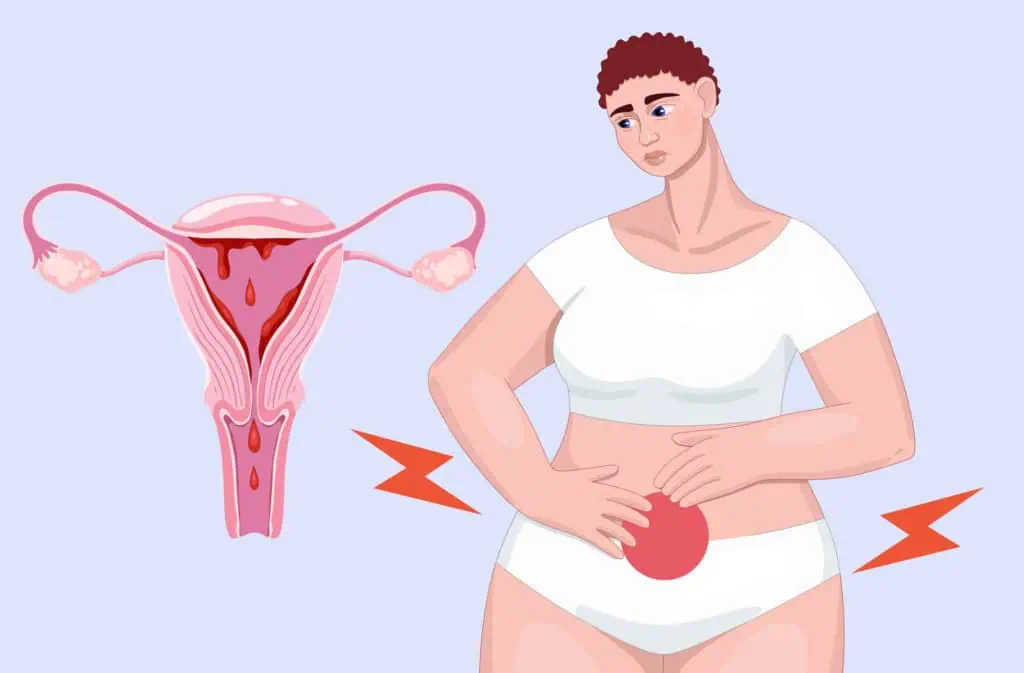
A missed miscarriage happens when an embryo stops growing, but the body doesn’t recognize the loss right away. This means the pregnancy tissue stays in the uterus, and the placenta may keep making hormones. As a result, you may still feel pregnant.
A healthcare provider usually finds a missed miscarriage during a routine checkup. It’s often discovered when there’s no heartbeat or growth seen between ultrasounds.
What are the symptoms of a missed abortion?
It’s common to have no symptoms with a missed miscarriage. You may also notice:
- brownish discharge
- lessening or disappearing early pregnancy symptoms like nausea and breast soreness
This is different from a typical miscarriage, which can cause:
- vaginal bleeding
- abdominal cramps or pain
- discharge of fluid or tissue
- lack of pregnancy symptoms
Causes and treatments
The most common cause is genetic or chromosomal abnormalities. These issues usually happen by chance and aren’t related to the genetics of either parent. However, they’re often connected to maternal age, with older maternal ages leading to higher rates of chromosomal abnormalities.
Other causes may include hormonal, autoimmune, blood clotting, and endocrine disorders or issues with the uterus. If you have two or more miscarriages, speak to your provider about testing to find out why.
If a missed miscarriage happens early in pregnancy, your body may pass the tissue on its own. This is called “expectant management.”
After a missed miscarriage, people are generally encouraged to wait at least one menstrual cycle before trying to conceive again.
If you have questions or concerns, zinc medicare is here for you. Please contact your zinc medicare for support.
When should you see a doctor?
You should always see a doctor if you suspect any kind of miscarriage. Call your doctor if you have any miscarriage symptoms, including:
- vaginal bleeding
- abdominal cramps or pain
- discharge of fluid or tissue
With a missed miscarriage, a lack of pregnancy symptoms may be the only sign.
For example, if you were feeling very nauseated or fatigued and you suddenly don’t, call the doctor. Most people likely won’t be aware of a missed miscarriage until their doctor detects it during an ultrasound.
How is a missed abortion diagnosed?
A missed miscarriage is most often diagnosed by ultrasound before 20 weeks of gestation. Usually, the doctor diagnoses it when they can’t detect a heartbeat at a prenatal checkup.
Sometimes, it’s simply too early in the pregnancy to see a heartbeat. If you’re less than 10 weeks pregnant, your doctor may monitor the level of the pregnancy hormone hCG in your blood over a couple of days. If the hCG level doesn’t rise at a typical rate, it’s a sign the pregnancy has ended.
They may also order a follow-up ultrasound a week later to see if they can detect the heartbeat then.
What treatment options are available?
There are several different ways to treat a missed miscarriage. You may be able to choose, or your doctor may recommend a treatment they feel is best for you.
Expectant management
This is a wait-and-see approach. Usually, if a missed miscarriage is left untreated, the embryonic tissue will pass and you’ll miscarry naturally. This is successful in more than 65% of women experiencing a missed miscarriage.
If it’s not successful, you may need medication or surgery to pass the embryonic tissue and placenta.
Medical management
Your healthcare professional may prescribe a medication called misoprostol. This medication helps trigger your bodyTrusted Source to pass the remaining tissue to complete the miscarriage. This means it will cause cramping, bleeding, and possibly blood clots.
You’ll take the medication at the doctor’s office or hospital and then return home to complete the miscarriage. It usually takes about 4-5 hours for most people to pass the remaining pregnancy tissue.
Surgical management
Dilation and curettage (D&C) surgery may be necessary to remove the remaining tissue from the uterus.
Your doctor may recommend a D&C immediately following your diagnosis of a missed miscarriage. They could also recommend it later if the tissue doesn’t pass on its own or with the use of medication.
How long does it take to recover from a missed abortion?
Physical recovery time after a miscarriage can vary from a few weeks to a month, sometimes longer. Your period will most likely return in 3 to 6 weeks.
Emotional recovery can take longer. Grief can be expressed in a variety of ways. Some people choose to perform religious or cultural memorial traditions, for example. Talking with a miscarriage counselor may help as well.
Talking with other people who’ve experienced pregnancy loss is important. You can find a support group near you through Share Pregnancy & Infant Loss Support at NationalShare.org.
If your partner, friend, or family member has a miscarriage, understand that they may be going through a tough time. Give them time and space if they say they need it, but always be there for them as they grieve.
Try to listen. Understand that being around babies and other pregnant people might be difficult for them. Everyone grieves differently and at their own pace.
Can you have a healthy pregnancy after a missed abortion?
Having one missed miscarriage doesn’t increase your odds of having a future miscarriage.
If this is your first miscarriage, the rate of having a second miscarriage is between 14-21%, which is about the same as the overall miscarriage rate. But having multiple miscarriages in a row increases your risk for a subsequent miscarriage.
If you’ve had two miscarriages in a row, your doctor might order follow-up testing to see if there’s an underlying cause. Some conditions that cause repeated miscarriages can be treated.
In many cases, you may be able to try to get pregnant again after you’ve had a regular period. Some doctors recommend waiting at least 3 months after the miscarriage before trying to conceive again.
But one 2017 studyTrusted Source suggests that trying again before 3 months may give you the same or even increased odds of having a full-term pregnancy. If you’re ready to try to become pregnant again, ask your doctor how long you should wait.
In addition to being physically ready to carry another pregnancy, you’ll also want to make sure that you feel mentally and emotionally ready to try again. Take more time if you feel you need it.