
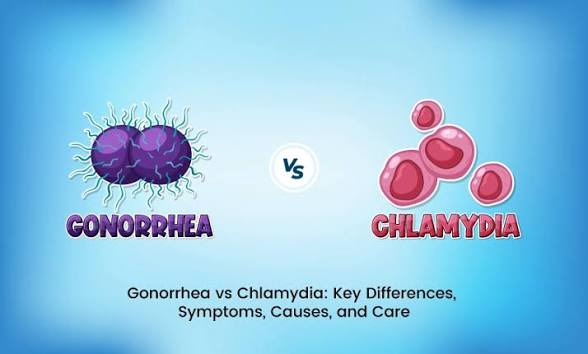
As you navigate the complexities of sexual health, understanding the distinctions for gonorrhea vs chlamydia is crucial. These two prevalent sexually transmitted diseases, each caused by an overgrowth of specific bacteria—Chlamydia trachomatis and Neisseria gonorrhoeae, respectively—pose significant health challenges. Recognizing the subtle differences in symptoms, such as a burning sensation during urination and abnormal genital discharge, is vital for accurate diagnosis and effective treatment. This article delves into the causes, symptoms Gonorrhea vs Chlamydia: Key Differences Explained toms, treatment options, and preventive measures for both infections, empowering you with the knowledge to protect your health and well-being in a responsible manner.
Understanding Gonorrhea and Chlamydia: An Overview
What Are Gonorrhea and Chlamydia?
Gonorrhea and chlamydia are among the most prevalent sexually transmitted infections (STIs), affecting millions worldwide. Gonorrhea, caused by the bacterium Neisseria gonorrhoeae, and chlamydia, resulting from Chlamydia trachomatis, both present substantial public health challenges due to their potential complications and asymptomatic nature.
These infections primarily affect sexual organs but can also impact the throat, rectum, and eyes, leading to a range of complications if untreated. Furthermore, their silent nature—often without noticeable symptoms in the initial stages—facilitates their spread, emphasizing the need for awareness and regular screenings.
Key Symptoms and Their Impact
While both conditions share common symptoms, such as a burning sensation during urination and abnormal genital discharge, differences do exist. In chlamydia, women might experience lower abdominal discomfort or pain during intercourse, while gonorrhea may lead to painful bowel movements or sore throat from oral transmission. Ignoring these signs can lead to severe health issues. Untreated gonorrhea might escalate to pelvic inflammatory disease in women and epididymitis in men, potentially causing infertility. Chlamydia can result in similar reproductive system damages, stressing the necessity of early intervention.
Diagnosis and Treatment Approaches
Diagnosing gonorrhea and chlamydia involves simple laboratory tests typically conducted on a urine sample or via swabs from potentially infected areas. Prompt and accurate diagnosis is crucial for effective management. Antibiotics form the cornerstone of treatment for both infections, with medication regimens tailored to eradicate the causative bacteria. Completing the prescribed antibiotic course is essential to prevent resistance and further transmission.
Prevention Strategies
Prevention remains a pivotal aspect of managing gonorrhea vs chlamydia. Practicing safe sex by using condoms, engaging in mutual monogamy, and regular STI screenings are effective methods to reduce your risk. Public health initiatives focus on raising awareness about these tactics, aiming to educate and empower individuals in their reproductive health preservation.
By understanding these infections—appreciating their symptoms, treatment, and prevention—you can take proactive steps to safeguard yourself and others from the potential pitfalls of gonorrhea and chlamydia.
Causes of Gonorrhea and Chlamydia
Understanding the Causes of Gonorrhea
Gonorrhea is one of the most prevalent sexually transmitted infections (STIs) worldwide. It is caused by the bacterium Neisseria gonorrhoeae. This bacterium specifically thrives in warm, moist areas of the body, such as the urethra, reproductive tract, throat, and even the eyes. It is primarily transmitted through unprotected sexual contact, including vaginal, anal, or oral sex. Individuals may unknowingly carry and spread the infection without exhibiting noticeable symptoms. This emphasizes the importance of regular screenings, especially for those with multiple sexual partners or those engaging in unprotected sex. Early detection and treatment are crucial in mitigating the risk of complications such as infertility or spreading the infection further.
Understanding the Causes of Chlamydia
In contrast, chlamydia is caused by the bacterium Chlamydia trachomatis. Similar to gonorrhea, it is primarily spread through unprotected sexual activities, affecting the same parts of the body, including the genitals, rectum, and throat. Another parallel is that the infection often presents with subtle or no symptoms at all, which can lead to unintentional transmission as noted in this informative overview. Due to the asymptomatic nature of chlamydia, many individuals remain unaware of their infection, which highlights the necessity for routine screening and preventive education. Left untreated, chlamydia can cause severe reproductive issues, particularly in women, including pelvic inflammatory disease (PID) and subsequent infertility.
Key Differences in Causation
While the causative agents differ, the propagation and preventive measures for both gonorrhea and chlamydia show remarkable similarities. Both require careful attention to sexual health practices. Employing barriers such as condoms significantly reduces transmission risks. Additionally, regular health checkups and open communication with healthcare providers can play a pivotal role in managing and preventing these STIs. Recognizing these distinctions and similarities can equip individuals with the knowledge needed to identify and act against Gonorrhoea vs Chlamydia, ultimately promoting better sexual health and well-being.
Recognizing the Symptoms: Gonorrhea vs. Chlamydia
Recognizing the Symptoms: Gonorrhea vs. Chlamydia

Understanding the symptoms can be crucial in distinguishing between gonorrhea and chlamydia, two prevalent bacterial sexually transmitted diseases (STDs). While both infections share some common indicators, such as a burning sensation during urination and abnormal discharge, there are nuanced differences to be aware of.
Common Symptoms
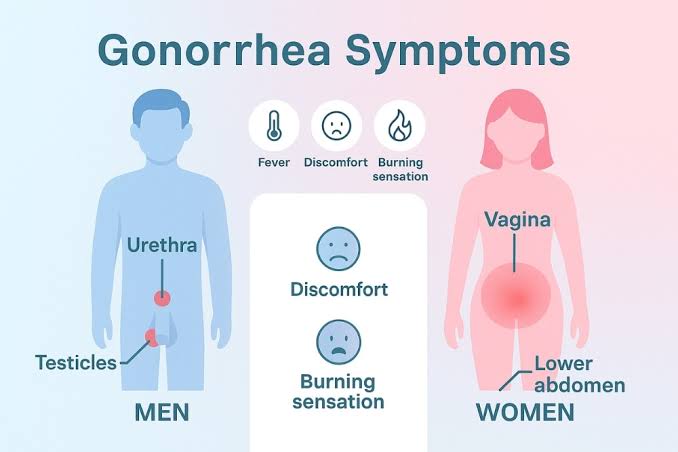
Both gonorrhea and chlamydia can often be asymptomatic, especially in women.
However, when symptoms manifest, they may include abnormal discharge from the genitals — typically white, yellow, or green in gonorrhea
chlamydia. Burning or pain during urination is another shared symptom. For both men and women, pain and swelling in one or both testicles (for men) and discomfort during intercourse (for women) may also occur.
Distinct Characteristics
Differences become more apparent when considering specific symptoms. Gonorrhea vs Chlamydia tends to cause more acute genital discomfort and may result in sore throat if the infection is located in the throat. Meanwhile, untreated chlamydia can lead to pelvic inflammatory disease (PID) in women, which often presents with lower abdominal pain. In men, chlamydia may cause inflammation of the epididymis, leading to testicular pain. Notably, chlamydia is often dubbed the “silent infection” due to its propensity to remain dormant without visible symptoms.
Importance of Testing
Due to the overlapping symptoms of gonorrhea vs chlamydia, professional diagnosis is imperative. Relying solely on symptom observation may lead to misidentification, as the subtle symptom variations can easily be overlooked. Testing is the only definitive method to ascertain which bacterium is responsible and ensure appropriate treatment.
Promptly recognizing potential symptoms can push individuals towards timely medical consultation. Testing for gonorrhea and chlamydia should be a regular consideration for sexually active individuals, helping to prevent long-term health complications and curtailing the spread of these infections.
Diagnosing Gonorrhea vs Chlamydia: What to Expect
Preparing for the Diagnosis
When addressing potential infections like gonorrhea and chlamydia, timely diagnosis is crucial. Both gonorrhea and chlamydia share similar symptoms, such as a burning sensation during urination and abnormal genital discharge. However, self-diagnosis is unreliable. Clinical testing is essential for accurate results and to avoid complications related to untreated infections.
Your diagnostic journey typically begins with a healthcare provider’s consultation. During this initial interaction, you should expect to share detailed information about your sexual history, any symptoms you are experiencing, and your general health. This information will assist the healthcare professional in determining the most suitable tests to conduct.
The Testing Process
For both gonorrhea vs chlamydia, medical practitioners generally employ one of two diagnostic tests: nucleic acid amplification tests (NAATs) or culture tests. NAATs are the most sensitive method, detecting bacterial DNA quickly and accurately. These tests typically require a urine sample or swabs from potentially infected areas such as the cervix, urethra, throat, or rectum, depending on your sexual practices.
On the other hand, a culture test involves growing bacteria from collected samples to identify an infection. While not as commonly used for initial diagnosis due to its longer processing time, culture tests can be beneficial for assessing antibiotic resistance or confirming a positive NAAT.
Awaiting and Interpreting Results
After your samples are sent to a laboratory, results usually arrive within a few days. If diagnosed with gonorrhea or chlamydia, it’s vital to address the infection promptly with appropriate antibiotics as prescribed by your healthcare provider. Early treatment not only alleviates symptoms but also prevents the infection from causing long-term health issues or spreading to others.
Receiving a positive test result for gonorrhea vs chlamydia can be distressing. However, remember that both conditions are treatable, and proactive management significantly reduces transmission risks. Engaging in open dialogue with your healthcare provider will ensure you receive the support and guidance necessary for a swift recovery.
Medications and Protocols
When it comes to treating gonorrhea and chlamydia, timely intervention with appropriate medications is crucial. Both sexually transmitted infections (STIs) can be effectively treated with antibiotics, which target the specific bacteria responsible. For gonorrhea, the Centers for Disease Control and Prevention (CDC) recommends a dual therapy approach comprising a single intramuscular injection of ceftriaxone combined with oral azithromycin. This combination aims to tackle potential antimicrobial resistance while ensuring comprehensive coverage against coexisting infections.
Effective Treatments for Gonorrhea vs Chlamydia
In the case of chlamydia, azithromycin remains a prominent choice. A single, large dose of azithromycin or a week-long course of doxycycline is generally effective in eradicating the bacterium Chlamydia trachomatis. It is vital to adhere to the prescribed treatment regimen and complete the entire course, even if symptoms begin to dissipate prematurely.
Importance of Follow-Up
Adherence to follow-up protocols is often overlooked but remains vital in ensuring a full recovery from gonorrhea and chlamydia. Post-treatment retesting, typically recommended around three months later, is crucial not only to confirm the eradication of the infection but also to prevent any potential complications arising from an untreated or resistant strain. Those who are sexually active should also inform their partners, who may need testing and treatment to curb the spread of these infections.
Prevention Strategies
Preventative measures are essential in managing gonorrhea vs chlamydia. Safe sexual practices, such as consistent condom use, can significantly reduce the risk of transmission. Regular screening, especially for those with multiple partners or those under the age of 25, is recommended to catch infections early when they are most treatable. Education about STIs and promoting open communication about sexual health among partners can also play a pivotal role in prevention. By enhancing awareness and employing protective strategies, individuals can effectively mitigate the risks associated with these common STIs.
Prevention Tips: How to Avoid Gonorrhea and Chlamydia
Practice Safe Sex
Engaging in safe sex practices is a fundamental step in preventing sexually transmitted infections like gonorrhea and chlamydia. Utilizing barrier methods, such as latex or polyurethane condoms during vaginal, anal, and oral intercourse, significantly reduces the risk of transmission. While these methods are highly effective, they must be used consistently and correctly to offer optimal protection. For those in open relationships or with multiple partners, ongoing communication about sexual health and regular testing become even more critical to maintaining your health and that of your partners as recommended by The Well Project.
Regular Screening and Timely Testing
Regular screening and timely testing are pivotal components in the preventive landscape against gonorrhea and chlamydia. These infections often remain asymptomatic, meaning individuals might unknowingly harbor and transmit the bacteria. Routine STD screenings, particularly for sexually active individuals, enable early detection and treatment, mitigating potential health complications such as pelvic inflammatory disease and infertility. Initiatives for a screening should not be based solely on visible symptoms but should be part of a routine healthcare regimen. Testing can be arranged through healthcare providers, which ensures confidentiality and a comprehensive approach to sexual health (Ideal Gynecology).
Develop Open Communication
Before engaging in any sexual activity, fostering open communication with potential partners about sexual history and STD testing is crucial. Establishing trust and transparency not only enhances mutual respect but also minimizes misunderstandings and assumptions about sexual health. This proactive approach is instrumental in addressing any concerns and ensures informed decision-making. Effective communication includes discussing recent tests, potential risks, and protective measures, thereby creating a safer environment for all parties involved as highlighted by The Nation’s Health.
By adhering to these prevention tips, you can significantly reduce your risk of contracting gonorrhea and chlamydia, enhancing your overall sexual health and well-being.
The Impact of Untreated Gonorrhea vs. Chlamydia
The Impact of Untreated Infections
Untreated sexually transmitted infections like gonorrhea and chlamydia can have severe consequences, affecting multiple aspects of health over time. Though both are caused by bacterial infections, their effects on the body can manifest in different yet significant ways.
Reproductive Health Complications
A major concern of leaving gonorrhea and chlamydia untreated is the potential for severe reproductive health issues. Women are particularly susceptible to these complications. Both infections can ascend to the upper reproductive tract, causing pelvic inflammatory disease (PID), which can lead to chronic pelvic pain, ectopic pregnancies, and even infertility. Men, while at a lower risk for infertility, can experience complications such as epididymitis, which can also contribute to fertility problems.
Systemic and Long-Term Health Implications
Beyond reproductive health, untreated gonorrhoea and chlamydia can have broader health impacts. Gonorrhea, for instance, can spread to the blood and cause disseminated gonococcal infection (DGI), leading to severe symptoms like joint pain and skin lesions. If chlamydia remains untreated, there is potential for it to exacerbate or facilitate other diseases, such as increasing susceptibility to HIV.
The Broader Social and Emotional Impact
The ripple effect of untreated infections extends beyond the physical into the social and emotional realms. The stigma associated with sexually transmitted diseases can be psychologically taxing, leading to stress and anxiety. In addition, the potential for fertility issues can place a significant emotional strain on relationships, affecting family planning and emotional well-being.
Preventive Measures and Early Treatment
Understanding and recognizing symptoms early are crucial steps toward preventing these extensive impacts. Regular screenings, particularly for sexually active individuals, and immediate treatment can mitigate the risks. Raising awareness about the symptoms and preventive strategies of gonorrhoea and chlamydia can significantly reduce their societal impact, promoting healthier communities and empowering individuals to take charge of their sexual health.
Addressing Common Myths About Gonorrhea and Chlamydia
Myth 1: Gonorrhea and Chlamydia are Easily Discernible
One of the most pervasive misconceptions is that the symptoms of gonorrhea and chlamydia are unmistakable and easily detectable. This is far from the truth. Both infections can often be silent adversaries. Chlamydia frequently presents mild symptoms, if any at all, leading many individuals to remain unaware of their infection. On the other hand, while gonorrhea may cause more noticeable symptoms such as a pronounced discharge, many cases still go unnoticed without routine screening as discussed in the Omnia Telehealth article.
Myth 2: Antibiotics Can Be Avoided
A dangerous belief is that gonorrhea or chlamydia can resolve on their own without medical intervention. This myth poses a significant threat to public health, given that these infections, left untreated, can lead to severe complications like Pelvic Inflammatory Disease (PID) or infertility. Treatment is crucial. Chlamydia typically responds well to antibiotics such as azithromycin, while gonorrhea requires a more robust approach due to rising antibiotic resistance, as outlined in the same source above. Engaging with telehealth services can facilitate prompt diagnosis and treatment, emphasizing the necessity of professional medical assistance.
Myth 3: Condoms Guarantee Complete Protection
While condoms are a highly effective barrier against sexually transmitted infections (STIs), they do not offer absolute protection against gonorrhea and chlamydia. Infection can still occur if bacteria come into contact with areas not covered by a condom. Hence, consistent STD testing remains fundamental for sexually active individuals to ensure early detection and treatment. Stylist highlights that routine testing is vital even within monogamous relationships, emphasizing the silent yet significant presence of these infections.
Myth 4: STIs Only Impact Certain Demographics
The notion that STIs only affect certain segments of the population is outdated and incorrect. Gonorrhea and chlamydia can be contracted by anyone, regardless of gender, age, or sexual orientation. The infections do not discriminate and can affect any sexually active individual. This universality underscores the importance of breaking stigmas and encouraging open dialogue about STIs to foster a culture of inclusion and awareness. Promoting public education and regular screenings can dismantle stereotypes and protect broader community health.
Gonorrhea vs. Chlamydia FAQs: Your Most Asked Questions Answered
Common Questions About Symptoms
A common query when comparing gonorrhea and chlamydia concerns their symptoms and how to differentiate between them. Both infections can present with similar signs, such as a burning sensation during urination and abnormal genital discharge. However, there are subtle differences. For instance, chlamydia may often be asymptomatic, especially in women, allowing it to go unnoticed without regular testing. Gonorrhea, on the other hand, tends to manifest more overt symptoms more rapidly, though it can also be asymptomatic in some cases.
Recognizing these nuances is crucial for seeking timely medical attention and preventing further complications.
Transmission and Risk Factors
Another frequently asked question revolves around how these infections are transmitted and who is at risk. Both gonorrhea and chlamydia are primarily spread through sexual contact, including vaginal, anal, and oral sex. The most effective way to reduce the risk of transmission is consistent and correct use of condoms.
Anyone who is sexually active can contract either infection, though individuals with multiple partners or those who do not regularly use protection are at heightened risk. Regular screening is recommended for sexually active individuals to detect any infections early.
Treatment Options
When discussing treatment, people often ask about the differences in medical intervention for gonorrhea vs. chlamydia. The good news is that both infections are typically treatable with antibiotics. For gonorrhea, a dual therapy approach is often recommended due to rising antibiotic resistance, involving an injection and oral medication. Chlamydia is usually treated with a course of oral antibiotics. It is essential to complete the entire prescribed course even if symptoms dissipate early to ensure complete eradication of the bacteria.
Prevention Strategies
Questions also frequently target prevention strategies to minimize infection risk. Practicing safe sex through the use of condoms, having open discussions with partners about sexual health, and undergoing routine screenings are effective strategies. Additionally, limiting the number of sexual partners and ensuring all partners are tested can significantly reduce the risk of contracting gonorrhea and chlamydia.
By addressing these common questions, individuals can better understand gonorrhea and chlamydia, leading to informed decisions about personal and sexual health.
Conclusion
In navigating the complexities of sexually transmitted diseases, understanding the nuances between chlamydia and gonorrhea is crucial for effective management and prevention. Both conditions manifest similarly, often leaving you with burning sensations during urination and abnormal discharge. Yet, the underlying bacterial culprits, Chlamydia trachomatis and Neisseria gonorrhoeae, necessitate distinct approaches for treatment. Emphasizing regular screenings and safe practices can significantly mitigate the risks associated with these infections. By staying informed and proactive, you empower yourself to make health-conscious decisions, safeguarding not only your well-being but also that of your partners. Your vigilance is key in combating the spread of these prevalent STDs.