
.
Definition and Mechanism of Cardiac Arrest
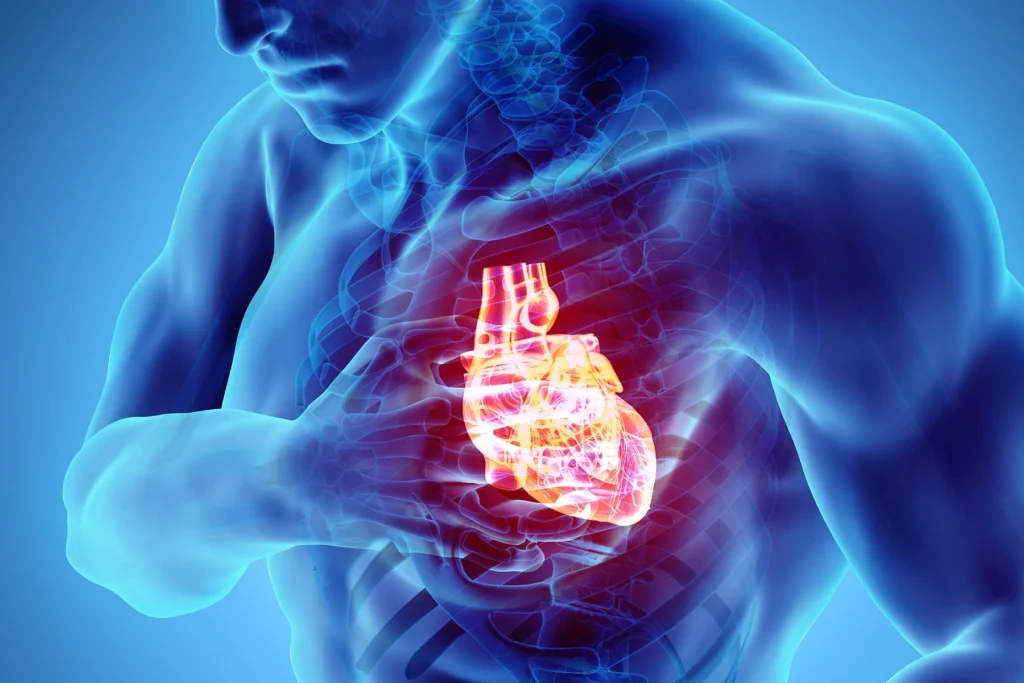
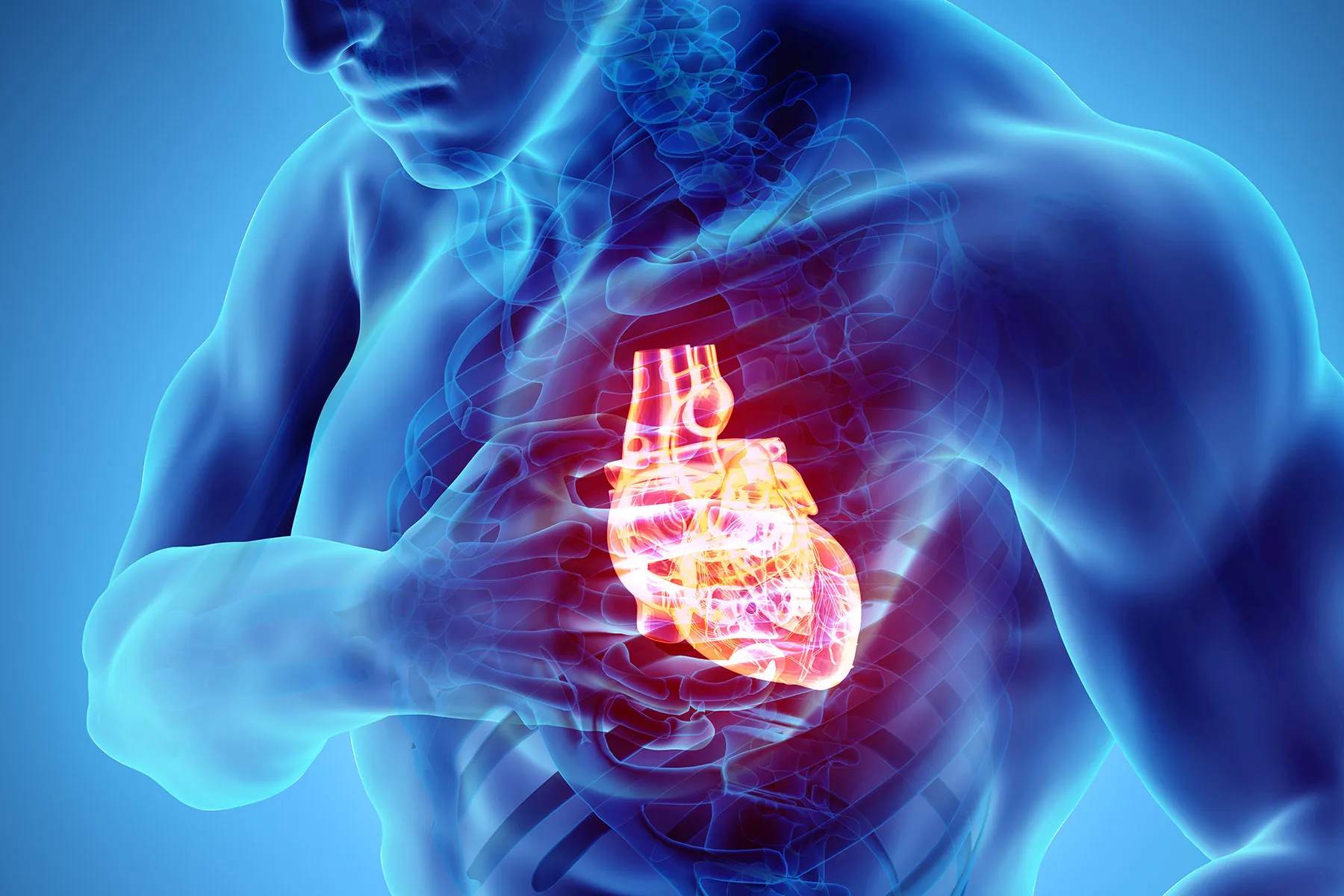
Indicate cardiac arrest is a sudden, life-threatening condition characterized by the abrupt loss of heart function, typically due to an electrical disturbance in the heart. This crisis occurs when the heart’s electrical impulses, which normally orchestrate the heart’s rhythm, go awry, leading to a chaotic pattern. As a result, the heart may cease to beat entirely or beat so ineffectively that it fails to circulate blood. This critical interruption in blood flow deprives the brain and vital organs of oxygenated blood, leading to an immediate cessation of breathing and a rapid loss of consciousness. Without prompt medical intervention, the outcomes of cardiac arrest can be dire, necessitating swift action to increase the chances of survival.
Distinction from Heart Attack
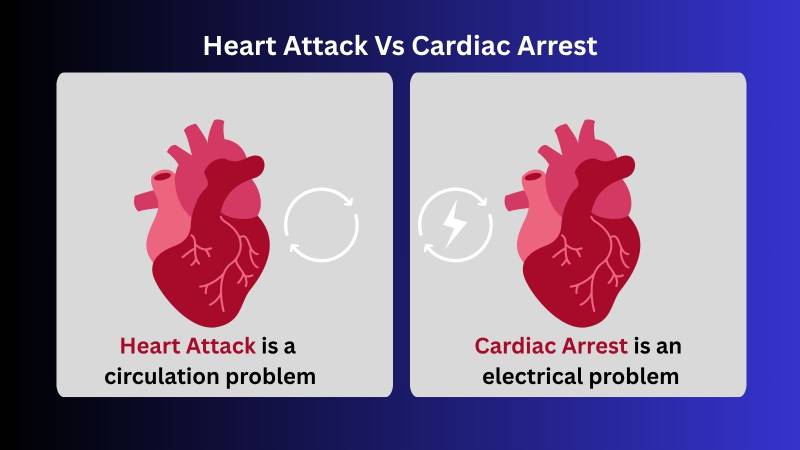
It is crucial to distinguish between cardiac arrest and a heart attack, as they are often misunderstood to be the same. While both conditions affect the heart, their underlying causes diverge significantly. A heart attack occurs due to a blockage in one or more coronary arteries, impairing blood flow to the heart muscle which could potentially lead to cardiac arrest. Cardiac arrest, however, is an electrical malfunction causing the heart to stop entirely. This distinction is vital for understanding how to effectively respond to each situation, highlighting the importance of immediate action when you indicate cardiac arrest symptoms in an individual.
Symptoms and Immediate Response
Signifying the urgent nature of this condition, a sudden collapse and unresponsiveness signify a possible cardiac arrest. Accompanying symptoms include a complete lack of breathing or gasping respirations and the absence of a pulse. If you suspect someone is experiencing cardiac arrest, taking immediate steps is paramount. First, call emergency services. Then, begin cardiopulmonary resuscitation (CPR) without delay as advised by health experts. Time is of the essence, as prompt CPR, coupled with the application of an automated external defibrillator (if available), can dramatically improve a person’s chances of survival.
How Does indicate Cardiac Arrest Differ from a Heart Attack?
Understanding Cardiac Arrest and Heart Attack
When discussing cardiac events, it is essential to differentiate between cardiac arrest and a heart attack—two critical conditions often confused despite their distinct nature. Cardiac arrest occurs when an electrical disruption causes the heart to abruptly stop beating, leading to a sudden failure in blood circulation to vital organs such as the brain and lungs. Unlike a heart attack, which is primarily due to blocked blood flow within vessels, cardiac arrest halts the heart’s function entirely as described by Kirby Health.
Causes and Symptoms
The causes behind each condition highlight their differences further. A heart attack is typically caused by a build-up of fat or cholesterol, leading to a blocked artery. In contrast, cardiac arrest stems from a malfunction in the heart’s electrical signals. This distinction is crucial in recognizing symptoms—while heart attacks may present with chest discomfort, arm pain, or shortness of breath, cardiac arrest strikes suddenly without these warning signs, often resulting in immediate loss of consciousness and responsiveness WELL Diagnostics elaborates on these differences.
Response and Urgency
The urgency of each condition dictates a different response. Heart attack victims require prompt medical attention with an understanding that the heart, despite being damaged, continues to beat, allowing some time for intervention. Cardiac arrest, however, demands instant emergency action. CPR and defibrillation are critical, as the heart stops beating entirely, posing an immediate threat to life. Bystanders play a pivotal role; calling emergency services and initiating CPR can significantly increase survival chances, as highlighted by iCardioMG.
Recognizing these differences is vital for anyone faced with these emergencies, underscoring the importance of understanding what might indicate cardiac arrest. Armed with this knowledge, the right actions can be taken swiftly, improving outcomes and potentially saving lives.
Recognizing the Key Signs that Indicate Cardiac Arrest
Intermittent Chest Pain
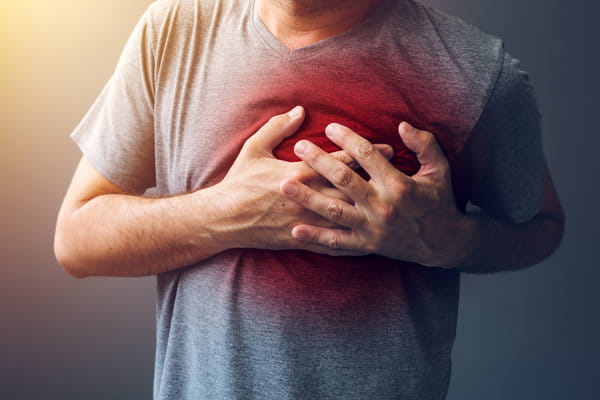
When it comes to recognizing a potential to indicate cardiac arrest, one of the most critical indicators is intermittent chest pain, often referred to as angina. This symptom manifests as a squeezing or pressure-like sensation in the chest, which stems from the narrowing of the coronary arteries. This constriction reduces blood flow and oxygen supply to the heart muscle. Such discomfort might last for just a minute or two, but it’s a significant warning sign that should not be ignored. Immediate medical consultation is crucial when experiencing this symptom to prevent a critical progression towards cardiac arrest. Recognizing these subtle hints can provide an opportunity to seek help before an emergency unfolds as elaborated here.
Shortness of Breath
Another alarming signal to indicate cardiac arrest is persistent shortness of breath. This condition may appear more frequently in women but is vital for all individuals to monitor. A notable increase in breathlessness, particularly when lying down, could suggest underlying heart issues. Finding relief only by elevating the upper body further signals the need for medical evaluation. If shortness of breath is accompanied by a decreased tolerance for physical activity, it becomes imperative to seek medical attention promptly. By identifying these signs early, one can significantly reduce the risk of experiencing sudden cardiac arrest as detailed in the same source.
Utilization of an AED
In critical instances where to cardiac arrest is imminent or occurs, the utilization of an Automated External Defibrillator (AED) becomes essential. When a person becomes unresponsive or exhibits abnormal breathing patterns, an AED can deliver a life-saving electric shock that may restore a normal heart rhythm. This intervention serves as a crucial bridge, maintaining the individual’s viability until professional medical help arrives. The strategic use of an AED, particularly in public settings, underscores the importance of familiarity with its operation. Early intervention with an AED can dramatically improve survival outcomes during a cardiac arrest event.
Immediate Actions to Take When Cardiac Arrest Occurs
Call for Emergency Assistance Immediately
The first and most crucial step when to indicate cardiac arrest is to activate the emergency response system by calling 911 without delay. Speed is of the essence, as each moment without intervention diminishes the chances of survival by 7-10% per minute according to ZOLL. Once emergency services have been notified, immediate action must be taken to maintain blood circulation and oxygenation until professional help arrives.
Begin CPR without Hesitation
Immediately after calling for help, initiate cardiopulmonary resuscitation (CPR). CPR is critical in maintaining a minimal circulation of oxygenated blood to the brain and other vital organs. It involves administering chest compressions at a rate of 100-120 per minute and to a depth of 2-2.4 inches. Allow complete chest recoil after each compression to maximize the effectiveness and minimize pauses between compressions, as these pauses can be detrimental to the victim’s survival prospects. Incorporate rescue breaths at a rate of 2 breaths per 30 compressions, or 10 per minute if an advanced airway is in place as outlined by the American Heart Association.
Utilize an Automated External Defibrillator (AED)
If available, an Automated External Defibrillator (AED) should be used as soon as possible alongside CPR. An AED is a portable device designed to deliver an electric shock to restore the heart’s normal rhythm. It plays a pivotal role in the chain of survival, particularly as sudden cardiac arrest often occurs unexpectedly in public settings (ZOLL). The machine provides clear, automated instructions, enabling even those without formal training to effectively assist in resuscitation efforts. Rapid defibrillation is a critical factor in improving outcomes, underlining the importance of the AED’s accessibility in public spaces.
Prepare for Professional Care
While these immediate actions are underway, ensure the environment is safe and clear for emergency responders to access the victim promptly. The arrival of trained medical personnel with advanced equipment is essential for continuing and enhancing the resuscitation efforts initiated by bystanders. Once on the scene, these professionals will provide comprehensive medical care and support, further increasing the chances of survival (Project Heartbeat). Through these collective efforts, the chances to indicate cardiac arrest early and respond appropriately are significantly improved, ultimately saving lives.
The Importance of CPR and Defibrillation in Cardiac Arrest Cases
The Role of CPR To Indicate Cardiac Arrest Response
When a person experiences cardiac arrest, the heart ceases its function of pumping blood, causing a sudden halt in the delivery of oxygen to vital organs, particularly the brain. This scenario necessitates immediate action, as every minute that passes without intervention significantly reduces the victim’s chance of survival. Cardiopulmonary resuscitation (CPR) serves as a critical first response, buying precious time until professional medical assistance arrives.
CPR, when performed correctly, can temporarily assume the heart’s role by keeping blood flowing through rhythmic chest compressions. This process is essential to maintain circulation, ensuring organs remain viable and preventing deterioration caused by oxygen deprivation. Whether performed by trained professionals or laypersons, effective CPR can double or even triple the chances of survival immediately following cardiac arrest.
How Defibrillation Restores Heart Rhythm
While CPR is crucial for sustaining life in the initial moments of cardiac arrest, defibrillation offers the means to address the underlying electrical malfunction. Automated external defibrillators (AEDs) are designed to diagnose and treat life-threatening arrhythmias through controlled electric shocks. These shocks help to reset the heart’s electrical impulses, ideally restoring a normal rhythm.
AEDs are increasingly available in public spaces, reflecting their importance in emergencies. Quick access to defibrillation can be a game changer. Studies indicate that a shock administered within the first few minutes can result in survival rates as high as 60%. Immediate application of CPR in combination with the rapid deployment of an AED maximizes the potential for a positive outcome.
Community Empowerment and Awareness
Community readiness is key in managing cases of cardiac arrest effectively. Empowerment through education can result in more individuals being trained to recognize the signs of cardiac arrest and initiate CPR promptly. Community initiatives that promote CPR and AED training elevate collective preparedness, ensuring that more bystanders are equipped to respond swiftly and confidently.
Raising awareness about the importance of rapid intervention can reduce hesitation in the face of emergencies. Knowing precisely how to indicate cardiac arrest and act accordingly is tantamount to offering the victim their best possible chance at survival. Encouraging a proactive mindset towards emergency preparedness can save countless lives.
Common Causes of Cardiac Arrest
Common Electrical and Structural Factors
Cardiac arrest often stems from a malfunction in the heart’s electrical system. Ventricular fibrillation is one of the primary culprits. This condition causes the heart’s lower chambers to flutter uncontrollably, hindering blood flow to vital organs, which can swiftly lead to loss of consciousness. Moreover, the heart’s ventricles sometimes fail to respond to electrical impulses, which disrupts the synchronized contraction essential for pumping blood effectively.
Heart rate abnormalities, such as bradycardia, further contribute to cardiac arrest. In these cases, the heart beats dangerously slow or ceases entirely. Such heart irregularities are often hereditary, passed through family genes in forms like inherited arrhythmias or channelopathies as mentioned here.
The Role of Coronary Artery Disease
Another major contributor to cardiac arrest is Coronary Artery Disease (CAD), which severely narrows or blocks arteries, limiting blood flow to the heart muscle. This lack of oxygenated blood can trigger a myocardial infarction, commonly known as a heart attack. Notably, CAD is implicated in nearly 75-80% of sudden cardiac death cases. The danger amplifies when coronary spasms occur, especially among smokers, which unexpectedly constrict arteries, leading to arrhythmias that indicate cardiac arrest might be imminent.
Additionally, hormonal and electrolyte imbalances such as low potassium or magnesium can exacerbate the risk presented by CAD as detailed by HeartPlace.
Genetic and Lifestyle Contributions
Beyond the structural and electrical abnormalities, lifestyle elements significantly impact cardiac risk. Smoking dramatically elevates the likelihood of sudden cardiac arrest, intensifying the effects of existing cardiac conditions. Poorly managed heart failure, often marked by low ejection fraction, also stands out. When the heart bears scars from previous damage—be it from autoimmune conditions, infections, or past heart attacks—its ability to function properly diminishes, fragmenting electrical signals.
Thus, understanding these factors empowers individuals to recognize the signs indicating cardiac arrest and enabling prompt intervention, which is crucial for survival as indicated by Dr. Vanita Arora.
Cardiac Arrest ICD 10: Classification and Coding Explained
Introduction to ICD-10 Classification
In medicine, the International Classification of Diseases, Tenth Revision, or ICD-10, plays a pivotal role in identifying and categorizing medical conditions. Specific to cardiac arrest, this event is classified under the ICD-10 code ‘I46’. This coding system provides a uniform language allowing healthcare professionals worldwide to exchange information effectively and reliably. Understanding these codes is crucial for accurate diagnosis, treatment, and statistical analysis.
Cardiac arrest, a sudden and critical event caused by an electrical disturbance in the heart, requires immediate medical intervention. Identifying cardiac arrest with the correct ICD-10 code is vital for documentation, which further assists in research and tracking mortality trends across the globe.
Importance of Accurate Coding
Accuracy in coding not only influences immediate patient care but also impacts larger healthcare research and policy decisions. With cardiac arrest categorized under ICD-10 code ‘I46’, healthcare practitioners can ensure that their data contributes to reliable mortality statistics. These statistics are essential when assessing public health and developing preventative strategies. The Office for National Statistics (ONS) provides regularly updated datasets based on these codes, highlighting the role of precise and consistent data.
Coding must address all the underlying conditions contributing to an event like cardiac arrest. This comprehensive approach enhances the understanding of factors leading to such emergencies, fosters improved medical response protocols, and ultimately aims to increase survival rates when individuals indicate cardiac arrest.
Utilization of ICD Data
Moreover, healthcare researchers and policymakers utilize ICD-10-coded data to identify patterns and trends. Cardiac arrest data captured under the specific ‘I46’ code allows for effective public health interventions. For instance, monitoring the prevalence of cardiac arrest incidents aids in implementing targeted awareness campaigns and allocating resources where they are most needed.
Access to detailed, accurate data through platforms like NOMIS webservice supports these endeavors, ensuring that public health strategies are data-driven and impactful. By appreciating and appropriately applying the ICD-10 coding system, stakeholders can enhance patient care and contribute to broader health initiatives.
Increasing Survival Rates: The Role of Bystanders
The Importance of Early Intervention
Immediate assistance is crucial when it comes to increasing survival rates in cases of cardiac arrest. As bystanders, your actions can significantly impact the outcome of such emergencies. Interventions like Cardiopulmonary Resuscitation (CPR) are vital before the arrival of emergency medical services, often bridging a critical gap that could mean the difference between life and death. Studies highlight that performing CPR within the first 10 minutes of cardiac arrest can greatly enhance survival chances, especially when commenced within the first two minutes. This ensures continuous blood flow to vital organs, keeping them functional until professional help arrives as noted by the American Heart Association.
Bystander-Initiated CPR: A Powerful Tool
The role of bystanders performing CPR cannot be overstated. In fact, statistical data reveals that patients receiving bystander CPR (BCPR) have significantly higher survival rates when compared to those who do not. A meta-analysis showed that lay bystanders recognizing cardiac distress symptoms performed CPR roughly half as often, yet their interventions were as effective as those undertaken by professionals in improving survival and neurological recovery according to a meta-analysis published in Emergency Medicine International. Increasing public knowledge and willingness to perform CPR is essential, demonstrated by ongoing initiatives to meet Healthy People 2030 targets that promote widespread CPR training to boost the prevalence and effectiveness of BCPR in society.
The Critical Role of Training
Training more individuals in CPR techniques can dramatically increase the number of lives saved during cardiac emergencies. By equipping citizens with the necessary skills, survival rates can be doubled, as witnessed when bystander training and AED (Automated External Defibrillator) usage increase. The American Heart Association indicates that a brief, two-hour training, when revisited regularly, prepares bystanders to act swiftly and correctly. Furthermore, technological advancements like mobile applications provide assistance, ensuring that lay responders can often reach victims before emergency services do, optimizing the survival odds even further highlighted in research featured on ScienceDirect.
FAQs: Everything You Need to Know to Indicate Cardiac Arrest Accurately
Initial Symptoms: When to Be Alert
Understanding the initial signs of cardiac arrest is pivotal in effectively responding to a potential emergency. One of the earliest indicators is a sudden loss of responsiveness. If someone collapses or shows no reaction to touch or sound, this could be an indication of cardiac arrest. Additionally, check for abnormal breathing patterns. Shallow gasps or a complete absence of breathing are significant warning signs. During such instances, time is of the essence, and noting these symptoms quickly can make a critical difference.
The Role of Bystanders: Immediate Action Steps
Your role as a bystander in a cardiac arrest situation can save a life. Once you indicate cardiac arrest, calling emergency services immediately is your first action. Relay detailed information to the dispatcher, including the location and condition of the individual. After alerting emergency services, initiate CPR without delay. Even if you’re untrained, performing chest compressions can maintain vital blood flow to the heart and brain until professional help arrives.
Misconceptions: What Cardiac Arrest Isn’t
Many confuse cardiac arrest with a heart attack, yet they differ significantly. A heart attack involves blocked blood flow and may not initially stop the heart, whereas cardiac arrest results from an electrical malfunction halting heart activity. Recognizing this distinction is essential for timely intervention and appropriate medical response. Symptoms like chest pain or discomfort often precede a heart attack but may not occur in cardiac arrest. Understanding these differences reduces misdiagnoses and improves the chances of survival.
Importance of Training: Being Prepared
Educating yourself on how to recognize and respond to cardiac arrest is invaluable. Attending CPR certification classes and learning how to use an Automated External Defibrillator (AED) can empower you to act decisively and confidently. Regular refresher courses ensure your skills remain sharp, enabling you to step up when seconds count. Encourage others in your community to take similar initiatives, fostering a collective readiness that enhances overall public safety.
Conclusion
Recognizing the key signs of cardiac arrest is crucial for ensuring timely intervention and maximizing survival chances. By understanding the symptoms—such as sudden collapse, loss of consciousness, and absence of breathing—you empower yourself to act decisively. Immediate action, including calling emergency services and performing CPR, can make the difference between life and death. As a bystander, your prompt response is invaluable, bridging the gap until professional medical help arrives. Remember, your vigilance and swift response not only increase the victim’s chances of survival but also highlight the profound impact one individual can have in critical moments.