Introduction to reverse heart disease
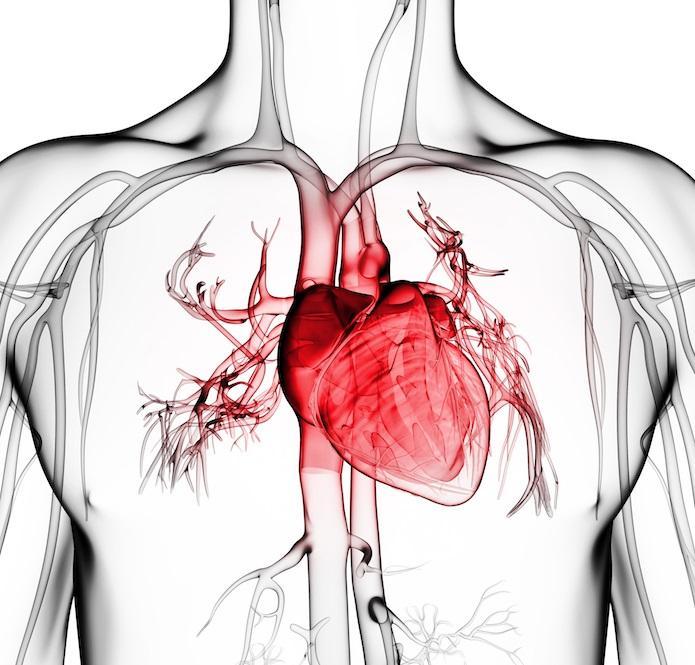
Reverse Heart disease, often dubbed the “silent killer,” represents a spectrum of conditions that affect your heart. At its core, heart disease is an umbrella term for a range of cardiovascular problems, such as coronary artery disease, heart rhythm disorders, and heart valve issues. Recognizing these conditions is crucial for implementing effective strategies to reverse heart disease and maintain a healthy cardiac function.
The Role of Atherosclerosis
One of the primary culprits in heart disease is atherosclerosis, a condition characterized by the narrowing and hardening of arteries.
This process, driven by the accumulation of fatty deposits or plaques on the artery walls, restricts blood flow to your heart and can lead to serious complications
. Importantly, lifestyle choices and genetic factors significantly influence the development and progression of atherosclerosis. A diet high in saturated fats and a sedentary lifestyle, combined with smoking and stress, exacerbate the condition.
Risk Factors and Their Impact
Understanding and managing risk factors is paramount in tackling heart disease. Some factors, like age and family history, are beyond your control.
However, numerous modifiable risks, such as high blood pressure, high cholesterol, and diabetes, can be tackled through proactive measures.
Embracing a heart-healthy lifestyle that includes regular exercise, a balanced diet rich in fruits and vegetables, and effective stress management can substantially reduce these risks.
Symptoms and Early Detection
Heart disease can manifest through various symptoms, often escalating gradually. Common signs include chest pain, shortness of breath, and fatigue.
However, some people may experience no symptoms at all until a major event, such as a heart attack, occurs.
Therefore, early detection is key. Regular check-ups and screenings can help identify heart disease in its nascent stages, enabling timely intervention and improving the chances of reversing heart disease.
Conclusively, comprehending heart disease in all its dimensions not only empowers you to take charge of your heart health but also provides a pathway to potentially reversing its effects.
Common Causes of Heart Disease: What You Need to Know
Unhealthy Lifestyle Choices
The lifestyle choices you make every day have a profound impact on your heart health. Among the most common culprits are poor diet, lack of exercise, and smoking.
A diet high in saturated fats, trans fats, and cholesterol can elevate the risk of developing heart disease, as these can lead to arteries clogged with plaque. Additionally, insufficient physical activity contributes to obesity, a condition that exacerbates heart strain. Smoking, another lifestyle choice, damages the lining of your arteries, which can lead to atherosclerosis—one of the main contributors to heart disease.
Making healthier lifestyle choices is paramount in the quest to reverse heart disease.
Genetic Factors
There’s a significant genetic component to heart health. If you have a family history of cardiovascular disease, your risk of developing the condition naturally increases. Though you cannot change your genetic makeup, being aware of your family history can prompt early intervention and regular check-ups to monitor heart health.
It’s important to discuss your family’s medical history with your healthcare provider, as this information can be critical in devising a preventive strategy tailored to your genetic predispositions.
Medical Conditions
Certain medical conditions are known to elevate the risk of heart disease significantly. High blood pressure (hypertension) forces the heart to work harder, increasing the risk of damage to your arteries. Similarly, conditions like diabetes and high cholesterol compromise heart health by impacting blood sugar levels and fat deposit regulation.
Recognizing and managing these conditions through medication, lifestyle adjustments, and regular medical consultations is essential for those looking to reverse heart disease.
Stress and Mental Health
Chronic stress and poor mental health can also contribute to heart disease. Stress leads to behaviors such as overeating and smoking while increasing cortisol levels, which may be harmful to the heart.
Moreover, depression and anxiety can result in inactivity and neglect of personal health, further aggravating heart issues. Incorporating stress-relief techniques, such as mindfulness and regular physical activity, is crucial for maintaining a healthy heart.
Prioritizing mental well-being is an often overlooked, yet vital, part of reversing heart disease.
Recognizing the Signs and Symptoms of Heart Disease
Understanding the Common Symptoms
Recognizing heart disease early can significantly improve the chances of reversing its course and improving overall heart health. Chest discomfort is among the most prominent signs of heart trouble.
This can manifest as persistent pressure, squeezing, or a sense of fullness in the chest, lasting for more than a few minutes or coming and going intermittently.
This discomfort is often a red flag for reduced oxygen flow or coronary artery issues and should never be dismissed lightly.
Additionally, experiencing shortness of breath either during minor physical activity or at rest can be an indication of heart problems. This symptom often accompanies heart failure or a condition known as thickening of the heart muscle, known medically as hypertrophic cardiomyopathy according to the Carolina Heart and Leg Center.
Recognizing Uncommon and Gender-Specific Indicators
In addition to the common symptoms, there are subtler signs that may indicate underlying heart conditions. For example, heart attacks can present differently in men and women. While men often experience intense chest pain and shortness of breath, women may encounter less obvious symptoms such as fatigue, nausea, or pain in areas like the jaw, neck, or upper back. It’s crucial to understand these gender-specific manifestations to ensure timely medical intervention. Nausea combined with unexplained extreme fatigue is another symptom that might signal heart disease, often occurring in the days leading up to a heart attack. Women are especially prone to dismiss these symptoms or attribute them to other causes, which further delays critical care as highlighted by Tufts Medicine.
The Importance of Early Detection
Early detection of heart disease allows for prompt medical evaluation and suitable treatment strategies, potentially reversing some effects of the disease. Recognizing these symptoms and understanding when to seek medical attention is paramount. Regular heart health check-ups are advisable, particularly for those over 40 with existing cardiovascular risk factors. Immediate medical evaluation is crucial when symptoms like sudden severe chest pain or loss of consciousness arise. Understanding these early warning signals not only arms you with the knowledge needed to address symptoms promptly but also paves a path towards reversing heart disease and reclaiming optimal heart health as noted by Karetrip Blogs.
Prevention Strategies to Combat Heart Disease
Embrace a Heart-Healthy Lifestyle
To combat heart disease effectively, adopting a heart-healthy lifestyle is paramount. A nutritional diet rich in fruits, vegetables, whole grains, and lean proteins significantly reduces heart disease risk. These foods deliver essential nutrients while limiting unhealthy fats and cholesterol that can clog arteries. Limiting red meat and processed foods enhances these benefits by lowering cholesterol levels and maintaining a healthy weight. Moreover, regular physical activity, such as walking, swimming, and cycling, serves as a cornerstone in strengthening your heart and controlling blood pressure. Engaging in at least 20-30 minutes of moderate exercise daily can make a substantial difference.
Smoking cessation is another critical stride toward heart disease prevention. Smoking not only damages blood vessels but also escalates blood pressure, increasing heart disease risk. Quitting smoking leads to immediate health benefits, with risk reduction observable within a few months. Stress, often an overlooked factor, directly contributes to heart disease. Implementing relaxation techniques such as deep breathing, meditation, and yoga can mitigate stress, complementing other prevention strategies as highlighted in cardiology guidelines.
Regular Monitoring and Medical Management
Regular health screenings are indispensable in identifying and managing risk factors such as high blood pressure, cholesterol, and diabetes—conditions intricately linked to heart disease. Blood pressure management is crucial, as uncontrolled hypertension exerts excessive force on heart vessels. Medications, dietary modifications, and exercise can help maintain blood pressure at healthy levels. Similarly, managing cholesterol through diet and medications is essential to prevent arterial plaque buildup.
Furthermore, proper diabetes management is vital, given its significant role in elevating heart disease risk. Monitoring blood sugar levels and adhering to prescribed medications and lifestyle changes are paramount for those with diabetes. Importantly, individuals with a family history of heart disease should adopt personalized heart care strategies. A combination of lifestyle modifications and medical management makes heart disease reversal possible and fosters overall cardiovascular health as noted by cardiovascular studies.
Can You Reverse Heart Disease? Exploring the Possibilities
Lifestyle Modifications: The Path to do Reverse Heart Disease
Reversing heart disease is not a mere aspiration but a viable possibility, largely through comprehensive lifestyle modifications. The evidence supporting this comes from a spectrum of studies indicating that substantial changes in daily habits can indeed arrest or even reverse the progression of coronary atherosclerosis. A foundational study by Ornish et al. demonstrated that a combination of a low-fat vegetarian diet, moderate aerobic exercise, smoking cessation, and stress management training significantly regressed severe coronary atherosclerosis in patients according to a study in the International Journal of Yoga Therapy. This underscores the potential to reverse heart disease naturally without reliance on invasive procedures.
Empowerment Through Knowledge and Support
Knowledge empowerment plays a pivotal role in reversing heart disease. Patients are encouraged to be proactive in learning about their condition, treatment options, and lifestyle changes needed to promote heart health. Collaborative care with healthcare providers is essential. Choosing the right doctor as a partner and maximizing consultations by preparing relevant questions can greatly impact patient outcomes as advised by Vanderbilt Health. Support groups and family involvement are also vital, as they offer resources and encouragement, making lifestyle changes more sustainable.
Structured Rehabilitation Programs: A Holistic Approach
Intensive Cardiac Rehab Programs provide a structured pathway to reversing heart disease tailored to individual needs. Programs such as those offered by National Jewish Health focus on lifestyle medicine, addressing food, exercise, stress management, and emotional well-being as described in National Jewish Health resources. These programs emphasize the profound connection between heart health and lifestyle, advocating for balanced, comprehensive changes as “Nature’s Best Medicine” through practices like regular walking and dietary adjustments. This holistic approach not only targets the physical aspects of heart disease but also addresses the emotional components, fostering a comprehensive path to reversing heart health.
Lifestyle Changes to Support Heart Health
Quit Smoking for Better Heart Health

One of the most impactful changes you can make to reverse heart disease is to quit smoking. The harmful chemicals in tobacco can damage your heart and blood vessels, increasing the risk of heart disease. Fortunately, the benefits of quitting begin almost immediately. Within weeks, circulation improves, and within a year, your risk of heart disease drops to about half that of a smoker. Multiple resources—such as nicotine replacement therapies and counseling programs—are available to support your journey towards a smoke-free life as highlighted by Mayo Clinic.
Embrace a Heart-Healthy Diet
A nutrient-rich diet that emphasizes whole foods is pivotal for heart health. Integrating more fruits, vegetables, whole grains, lean proteins, and healthy fats into your meals can help maintain healthy cholesterol levels, blood pressure, and reduce inflammation according to research. Diet plans like the Mediterranean or DASH have been shown to significantly lower cardiovascular risks. By reducing processed foods, sugars, and saturated fats, you promote overall wellness and take a critical step towards reverse heart disease.

Boost Heart Health with Regular Exercise

Engaging in at least 150 minutes of moderate aerobic activity per week can significantly strengthen your heart and promote circulation. Activities such as brisk walking or cycling effectively manage blood pressure and cholesterol, helping to reverse heart disease symptoms as outlined by UC Davis Health. For optimal benefits, incorporate strength training at least twice weekly. Consistent exercise not only benefits heart health but also elevates overall physical and mental well-being.
Manage Stress for Heart Health
Chronic stress has a profound impact on heart health, contributing to high blood pressure and unhealthy habits. Implement stress-reduction techniques such as yoga, meditation, or even short daily relaxation exercises to lower stress levels. Mindfulness practices, along with seeking support from friends or professionals, are effective ways to enhance heart health as the American Heart Association suggests.
The Role of Diet and Exercise in Reverse Heart Disease
The Power of Nutrition

A cornerstone in addressing and potentially reverse heart disease is your diet. By embracing a heart-healthy eating pattern, you not only fuel your body with essential nutrients but also strategically combat risk factors associated with cardiovascular diseases. Focus on consuming a wide variety of fruits, vegetables, whole grains, and legumes, which are rich sources of fiber, antioxidants, and essential micronutrients known to bolster heart health. Lean proteins such as fish, especially those rich in omega-3 fatty acids, have been shown to reduce inflammation and support vascular function.
It’s equally important to minimize intake of saturated fats, sodium, and added sugars. These dietary components are often linked to elevated cholesterol levels and hypertension, both of which can exacerbate existing heart conditions. Meanwhile, mindful portion control can help manage body weight, reducing the strain on your cardiovascular system and aiding in the reversal of damage.
The Impact of Physical Activity
Regular physical activity plays a pivotal role in not only preventing but also reverse heart disease. Engaging in a consistent exercise routine strengthens your heart muscle, improves circulation, and enhances your body’s ability to use oxygen. Aim for at least 150 minutes of moderate-intensity exercise per week, which can be broken up into manageable daily sessions. Activities such as brisk walking, cycling, or swimming are excellent choices to get your heart pumping and improve your overall cardiovascular endurance.
Exercise also helps manage weight, reduce stress, and lower blood pressure and cholesterol levels, all contributing factors to a healthier heart. Incorporating strength training into your routine two or more days a week can further enhance your body’s metabolism and support joint health, making physical activity sustainable in the long run.
Combining Diet and Exercise for Optimal Results
The synergy between a healthy diet and regular exercise cannot be overstated when it comes to reverse heart disease. Together, they can lead to significant improvements in heart function and a substantial reduction in the progression of heart disease symptoms. By committing to these lifestyle changes, you empower yourself with the ability to enhance your well-being and take proactive steps towards a healthier, more vibrant life.
Medical Treatments and Interventions for Reverse Heart Disease
Advances in Cardiac Rehabilitation Programs
Cardiac rehabilitation (CR) has emerged as a pivotal intervention for individuals seeking to reverse heart disease. These structured programs are tailored to improve cardiovascular health through a combination of exercise, education, and support as highlighted by clinical trials. Enrollment in CR programs significantly enhances patient adherence to heart-healthy lifestyles, leading to improved outcomes and decreased morbidity and mortality. Despite the proven benefits, challenges remain in increasing patient participation, with only approximately 30% of eligible patients engaging in these programs.
Intensive Lifestyle Changes
One of the most well-documented approaches to reverse heart disease includes intensive lifestyle modifications, such as those implemented in the Ornish Program. This comprehensive intervention combines a low-fat, plant-based diet, regular aerobic exercise, stress management techniques like yoga and meditation, and group support, to effectively reverse coronary atherosclerosis and improve cardiac health. Medicare’s recognition of the Ornish Program underscores its efficacy; the program participants have consistently shown improvements in blood pressure, cholesterol levels, and reductions in angina symptoms as the program’s clinical evidence suggests.
Integrative and Alternative Treatments
Beyond traditional medical interventions, integrative therapies hold potential in the journey to reverse heart disease. Methods such as Enhanced External Counterpulsation (EECP) offer a non-invasive means to promote blood vessel growth, providing natural bypasses for occluded arteries. Phosphatidylcholine IV therapy and EDTA chelation therapy are gaining traction for their roles in clearing arterial blockages and reducing cardiovascular risk factors. These therapies can complement standard medical care and are particularly beneficial for patients looking for holistic treatment options as outlined by experts in integrative medicine.
In conclusion
Reverse heart disease is not just a possibility but a reality with the right combination of medical interventions, lifestyle changes, and innovative treatments. By leveraging structured programs and integrative therapies, individuals can significantly improve their heart health, often reducing or even eliminating the need for medications