

Heart inflammation, medically referred to as myocarditis when the heart muscle is involved, is an essential condition to understand due to its potential severity. At its core, heart inflammation arises when the heart’s tissues are infiltrated by inflammatory cells, impairing the heart’s ability to function efficiently. This ailment doesn’t discriminate, affecting individuals from various backgrounds, ages, and lifestyles, even those who boast otherwise healthy hearts.
Causes and Risk Factors
There is a multitude of triggers contributing to heart inflammation, with viral infections standing as the predominant cause. Common viruses such as those responsible for the cold and flu, as well as more severe infections like COVID-19, can incite inflammation of the inner lining of the heart. Additionally, bacterial infections from staphylococcus or streptococcus, autoimmune diseases like lupus, and certain medications can lead to this condition. Environmental toxins and illicit drug use are other notable contributors. It’s crucial to highlight that in some cases, the reason behind the inflammation remains elusive as explained in various medical articles.
Signs and Symptoms
Recognizing the signs of heart inflammation can be challenging, as symptoms often overlap with other health issues. Typical indicators include chest pain, unusual fatigue, and shortness of breath, potentially exacerbated during physical activities or when lying flat. Some individuals might notice swelling in their extremities, rapid or irregular heartbeats, or even experience a sense of lightheadedness. Conversely, some cases are asymptomatic, making regular medical check-ups vital for early detection and management as noted by healthcare professionals.
Types of Heart Inflammation: From Myocarditis to Pericarditis
Myocarditis: Inflammation of the Heart Muscle
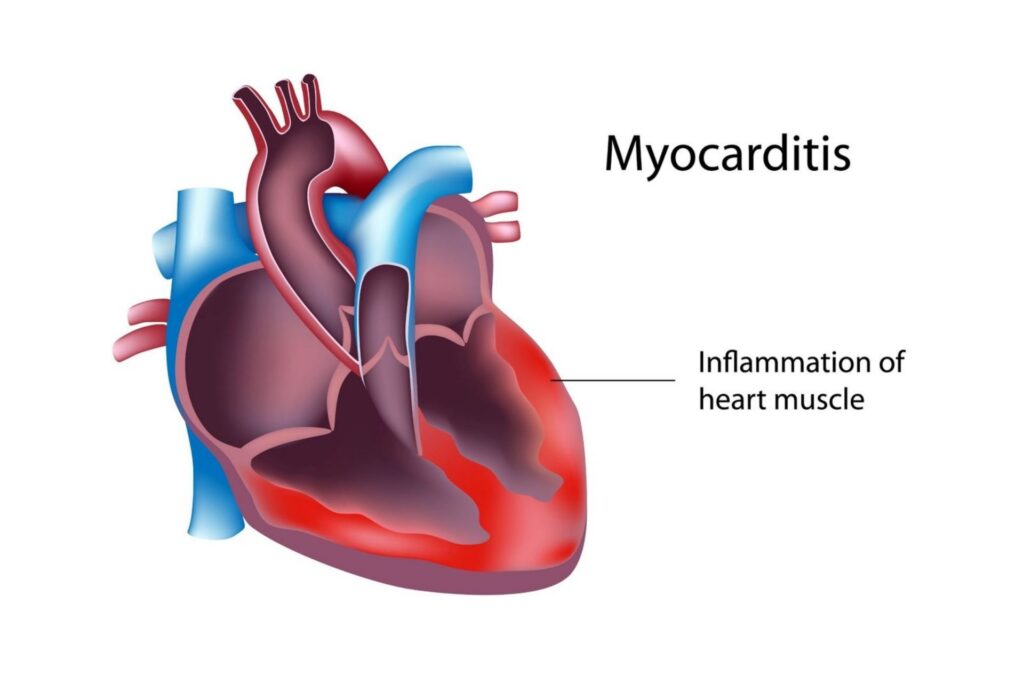
Myocarditis primarily affects the heart muscle, known as the myocardium, which is vital for pumping blood throughout the body. This inflammation can severely hinder the heart’s efficiency, leading to symptoms such as chest pain, fatigue, and shortness of breath. In severe instances, myocarditis can cause irregular heartbeats or arrhythmias, potentially leading to heart failure. Often linked to viral infections, it can also be triggered by bacterial infections, autoimmune disorders, or reactions to medications. Recognizing these symptoms early and seeking medical consultation is crucial for effective management and recovery.
Pericarditis: Inflammation of the Heart Lining
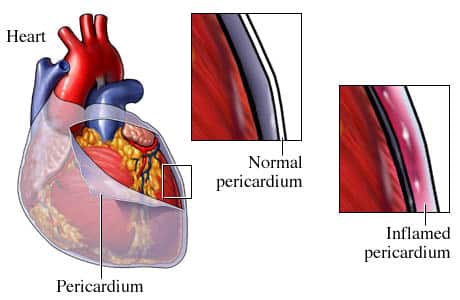
Pericarditis refers to inflammation of the pericardium, the protective sac encompassing the heart. A hallmark symptom is sharp, stabbing chest pain that typically worsens with breathing or lying down but improves when sitting upright. This inflammation is frequently induced by viral infections, but trauma or other medical conditions can also be factors. While most cases are not life-threatening, pericarditis can develop into constrictive pericarditis if left untreated, wherein the pericardium thickens and restricts heart movement. Cleveland Clinic notes that prompt treatment typically results in a positive prognosis.
Endocarditis: Inflammation of the Inner Heart Lining
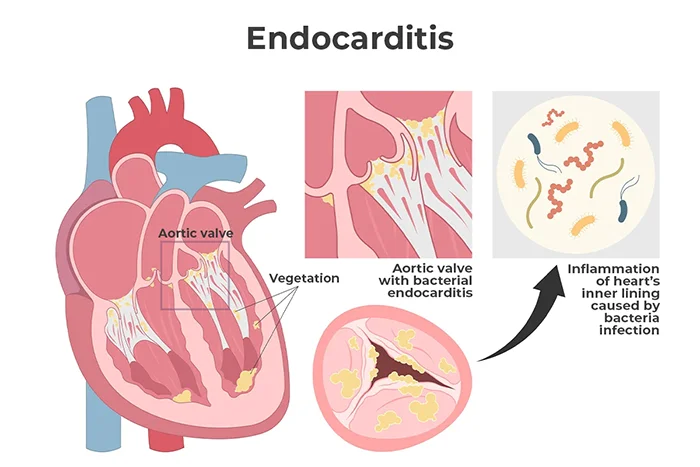
Endocarditis affects the endocardium, the inner lining of the heart chambers and valves. Unlike other forms of heart inflammation, endocarditis is often bacterial rather than viral. It presents with fever, chills, and joint pain, often escalating to severe conditions if untreated, such as damaged heart valves or heart failure. As reported by ACS Doctors, the seriousness of endocarditis necessitates immediate medical intervention to prevent potentially fatal outcomes. Recognizing the signs of heart inflammation and seeking timely treatment can significantly improve recovery prospects for all types of heart inflammation.
Common Causes of Heart Inflammation
Viral Infections
Viral infections are frequently the culprits behind heart inflammation, particularly myocarditis, which is the inflammation of the heart muscle. Common viruses include those responsible for the cold and flu, as well as more recent threats like COVID-19, which has notably increased instances of heart inflammation. Moreover, the inflammation of the inner lining of the heart can also result from a viral attack. These infections invade the heart tissue, causing an immune response that inadvertently harms the heart as highlighted by Top Doctors.
Bacterial, Parasitic, and Fungal Causes
Though less common, bacterial infections can lead to heart inflammation. Bacteria such as staphylococcus and streptococcus may be responsible for such conditions. Additionally, parasitic and fungal infections can also trigger heart inflammation. These pathogens are more likely to affect individuals with weakened immune systems or those who have been exposed to contaminated sources. Despite their rarity, these infections should not be overlooked as possible causes of myocarditis according to Wakemed Voices.
Autoimmune Diseases and Medications
Autoimmune diseases present another significant cause of heart inflammation. Conditions like lupus and rheumatoid arthritis cause the immune system to mistakenly attack healthy tissue, including the heart, which can result in inflammation of the inner lining of the heart. Furthermore, certain medications, such as those used in cancer treatments, are known to provoke heart inflammation as an adverse effect. Even some illegal drugs and certain prescribed medications can have this dangerous side effect as noted by Top Doctors.
Environmental and Chemical Triggers
Environmental toxins add yet another layer to the causes of heart inflammation. Exposure to harmful substances, such as carbon monoxide, can damage the heart muscle and lead to inflammation. This underscores the importance of monitoring environmental and occupational hazards to which one might be exposed. Furthermore, maintaining a healthy lifestyle, which includes avoiding toxic substances, is essential in reducing the risk of heart-related issues and bolstering overall cardiovascular health.
Recognizing the Signs of Heart Inflammation
Recognizing Common Symptoms
Understanding the signs of heart inflammation is pivotal in preventing further complications. The primary symptoms linked to heart inflammation often mirror those of more benign conditions, making early detection challenging. A persistent chest pain, exacerbated by breathing or laying down, is a telltale sign. This is accompanied by shortness of breath, which may progressively appear without physical exertion. Often, individuals may dismiss these as symptoms of normal fatigue.
Pay close attention to palpitations or the sensation of an irregular heartbeat, which can be particularly disconcerting. Moreover, general fatigue and unusual lack of energy can also indicate inflammation of the inner lining of the heart. These symptoms might feel similar to those of a typical viral infection, yet they are critical red flags warranting medical evaluation.
Less Obvious Indicators
Besides the more overt symptoms, there are subtle indicators of heart inflammation. Fever and chills, when occurring alongside the more common symptoms, should not be overlooked. They can hint at an inflammatory response in the body. Swelling in the legs, ankles, or feet might be dismissed as stress-related or due to prolonged standing, yet this can signal underlying cardiac issues.
In some instances, the infection may manifest through seemingly unrelated symptoms such as a dry cough or unusual skin rashes, which further complicates prompt diagnosis. Recognizing these less common signs can significantly affect outcomes, encouraging timely intervention.
When to Seek Medical Help
Being proactive in response to these symptoms plays a crucial role in recovery. If you or a loved one experiences persistent chest pain, breathing difficulties, severe fatigue, or any combination of these, it is essential to consult a healthcare provider as soon as possible. These symptoms warrant an evaluation to determine if heart inflammation is present, even if the heart is otherwise healthy. Early intervention can mitigate severe consequences and facilitate a more efficient recovery process.
The Impact of Viral Infections on Heart Health
Acute Effects of Viral Infections on the Heart
Viral infections can wreak havoc on heart health, with short-term cardiovascular risks being particularly noteworthy. For instance, individuals who contract the influenza virus are faced with glaring cardiovascular challenges. Research indicates that within the first month of a laboratory-confirmed influenza infection, there is a quadrupled risk of a heart attack and a fivefold increase in stroke risk as highlighted by a study in the Journal of the American Heart Association. Similarly, COVID-19 has emerged as a formidable threat to cardiovascular stability, elevating the risk of both heart attacks and strokes by threefold in the 14 weeks following infection. Moreover, the heightened risk does not dissipate quickly, lingering for up to a year after the initial infection phase.
The systemic inflammatory response from these viruses, characterized by inflammation of the inner lining of the heart, contributes significantly to these cardiovascular disturbances. The inflammation not only affects the heart’s immediate functioning but can also exacerbate existing heart conditions.
Long-Term Consequences and Underlying Mechanisms
Chronic viral infections, like those caused by the HIV or Hepatitis C virus, bring their own set of long-term cardiovascular complications. HIV, for example, elevates the risk of a heart attack by 60% and stroke by 45%, while Hepatitis C infection similarly increases these risks by 27% and 23%, respectively according to this comprehensive review. The immune system’s response to these persistent infections triggers ongoing inflammation, which, along with factors like increased blood clotting, can affect the heart over time.
Furthermore, infections such as shingles can modestly elevate the risk of cardiovascular events due to their impact on arterial plaque stability and systemic inflammation. Understanding the biological mechanisms at play here can be instrumental in creating prevention strategies against such viral infections, thereby mitigating their long-term impact on heart inflammation and the overall cardiovascular health of affected individuals.
Diagnosis: How is Inflammation of the Heart’s Inner Lining Detected?
Initial Assessment
The process of diagnosing inflammation of the heart’s inner lining, or endocarditis, begins with a thorough initial assessment by healthcare professionals. This involves taking a comprehensive medical history and performing a physical examination to evaluate the presence of any noticeable symptoms. Your doctor will ask about recent infections, surgeries, or any conditions that may increase the risk of endocarditis. After this, a set of preliminary tests is conducted to exclude other possible causes of the symptoms. Such a cautious approach helps tailor the diagnostic pathway to the patient’s specific needs and context.
Blood and Imaging Tests
Several blood tests are pivotal in detecting signs of heart inflammation. A complete blood count can indicate infection, while cardiac troponin levels provide insight into potential heart tissue damage. Additionally, tests for C-reactive protein are crucial, as elevated levels often signify inflammation in the body. Moving to imaging, a chest X-ray offers a glimpse into the anatomy of the chest, highlighting any signs of heart failure. Advanced imaging techniques, such as MRI scans, produce detailed pictures of the heart’s interior, helping to identify inflammation with remarkable precision (Healthgrades). Electrocardiograms (ECG), another invaluable tool, measure the heart’s electrical activity. Abnormal heart rhythms or rates in ECG results can flag potential damage or distress within the heart muscle.
Tissue Biopsy
For definitive confirmation of heart inflammation, a myocardial biopsy remains the gold standard. This procedure involves extracting a small tissue sample from the heart muscle. The biopsy is then examined microscopically for signs of myocarditis. While invasive, the procedure is crucial for accurate diagnosis and excludes other serious conditions that might mimic heart inflammation symptoms (PMC). Despite its complexity, the biopsy procedure is performed with great care, ensuring patient safety and minimizing discomfort. Hence, understanding these nuanced diagnostic approaches is vital for effectively managing and treating inflammation of the heart’s inner lining.
Treatment Options for Heart Inflammation
Medication-Based Treatment Options
When addressing heart inflammation, particularly inflammation of the inner lining of the heart, medication forms the cornerstone of treatment. Anti-inflammatory drugs, such as colchicine, have shown significant potential. Traditionally used for gout, colchicine has been FDA-approved in 2023 to mitigate inflammation associated with atherosclerosis and other cardiovascular risks. Its effectiveness parallels that of statins, particularly when combined with lipid-lowering therapies, reducing cardiovascular event risks substantially.
Another notable medication is Canakinumab, a monoclonal antibody that targets the IL-1β pathway. Clinical studies like the CANTOS trial have demonstrated its efficacy, leading to a 15% reduction in major adverse cardiovascular events as documented. However, it is essential to weigh the benefits against potential risks, as it may slightly elevate the risk of infections.
For some patients, statins alone suffice by targeting both LDL cholesterol and inflammation. Nonetheless, individuals with elevated inflammatory markers despite statin therapy might require additional medications, possibly both lipid-lowering and separate anti-inflammatory treatments, to address their residual inflammatory risk effectively.
Lifestyle Modifications
Lifestyle changes often complement medication in treating heart inflammation. Factors such as smoking cessation, a healthy diet, regular physical activity, and weight management can significantly reduce heart inflammation. Making these changes can shift approximately 40% of patients with high inflammation below the treatment threshold. Incorporating ketone bodies through strategies like intermittent fasting and carbohydrate restriction might naturally inhibit inflammation by targeting pathways like the NLRP3 inflammasome as suggested by research.
By implementing these lifestyle modifications, you can improve overall heart health and potentially reduce dependency on medication. It’s always crucial to work closely with your healthcare team to balance these treatments effectively, ensuring that both medical and lifestyle interventions are tailored to your specific needs and circumstances.
Recovery: What to Expect and How to Support Healing
What to Expect During Recovery
Recovering from heart inflammation, such as myocarditis, requires time, patience, and adherence to medical advice. Generally, the recovery period can span from several weeks to months, depending on the severity of the inflammation and the patient’s overall health. During this time, close monitoring by healthcare professionals is crucial to assess the inflammation of the inner lining of the heart and prevent recurrence or complications. You might experience fluctuations in energy levels and the persistence of mild symptoms, which are typical as the heart gradually heals.
Supporting Healing through Lifestyle Adjustments
Adjusting your lifestyle plays a pivotal role in supporting recovery from heart inflammation. Prioritize adequate rest and avoid strenuous activities until your healthcare provider gives the green light. Exercise may be gradually reintroduced, with a focus on low-impact activities such as walking or yoga. Proper nutrition is equally vital. A heart-healthy diet, rich in fruits, vegetables, lean proteins, and whole grains, can help facilitate recovery. Limiting processed foods, sodium, and unhealthy fats can further aid in reducing stress on the heart.
Long-term Considerations and Monitoring
Even after acute symptoms have subsided, ongoing monitoring is important to ensure full recovery and prevent future episodes. Regular follow-up appointments allow healthcare providers to assess your progress and make necessary adjustments to your treatment plan. Medications prescribed for managing inflammation should be taken as directed to assist in healing and prevent complications. It’s also essential to remain vigilant for signs of heart inflammation, such as chest pain, shortness of breath, or unexplained fatigue, and report these symptoms to your doctor promptly.
Ultimately, while recovering from heart inflammation presents challenges, a proactive approach combining rest, proper nutrition, and regular medical consultations can significantly enhance healing and reduce the risk of recurrent episodes.
Heart Inflammation FAQs: Your Essential Guide
Common Questions About Heart Inflammation and Their Answers
Heart inflammation, whether affecting the muscle or the outer lining, is a complex medical condition that often prompts a plethora of questions. Understanding the intricacies of this condition is key to effectively addressing it. Here, we answer some of the most common inquiries about heart inflammation.
What Are the Common Signs of Heart Inflammation?
Heart inflammation can remain inconspicuous, frequently mimicking more benign ailments. But certain signs should raise an alarm. Symptoms can range from mild to severe and may include fatigue, chest pain, shortness of breath, and palpitations. Inflammation of the inner lining of the heart, or endocarditis, might lead to fever, chills, and swelling in the legs or abdomen. Recognizing these symptoms can facilitate earlier intervention and more effective treatment.
How Is Heart Inflammation Diagnosed?
Diagnosing heart inflammation requires a multi-faceted approach. Physicians typically start with a thorough physical examination complemented by an individual’s medical history. Diagnostic tests might include an ECG, to assess the heart’s electrical activity, and blood tests, which can detect markers of inflammation. In specific cases, an MRI or a biopsy of the heart tissue may be conducted for a more detailed analysis. Each of these methods plays a crucial role in forming an accurate diagnosis.
What Are the Treatment Options?
Treatment largely depends on the cause and severity of the inflammation. For viral cases, rest and medication to alleviate symptoms might suffice, allowing the body’s natural defenses to combat the virus. Bacterial infections may necessitate antibiotics, while more severe cases might require immunosuppressive drugs or cardiac medication. The aim is to reduce inflammation and manage symptoms, alongside careful monitoring for any progression.
Can Lifestyle Changes Help with Recovery and Prevention?
Adopting certain lifestyle changes can significantly boost recovery and act as a preventive measure. Regular exercise, a balanced diet rich in fruits and vegetables, and stress management techniques are foundational. Avoidance of smoking and moderating alcohol intake are advisable to lessen the strain on the heart. These measures, when combined with medical treatment, can enhance overall heart health and mitigate the risks associated with heart inflammation.
Conclusion
As you navigate the complexities surrounding heart inflammation, understanding its causes, symptoms, and recovery pathways becomes paramount. By recognizing the subtle signs and seeking timely medical intervention, you can significantly influence your recovery trajectory. It’s essential to acknowledge the role of overall health and degree of inflammation in the healing process. Remaining vigilant and informed empowers you to take proactive steps, whether through lifestyle adjustments or medical treatments, to safeguard your heart’s health. Remember, while heart inflammation can be daunting, staying educated and attentive is your first line of defense in ensuring a resilient and vibrant heart.